
Central Kitchen Case Study: Documentary-Style Brand Story Video Production in Sacramento
Published On: March 21, 2026
From Seed to Tray: Central Kitchen Brand Story Video
When people hear “school lunch,” they often picture square pizza and hard apples that taste funny.
But Sacramento City Unified School District’s Central Kitchen tells a completely different story.
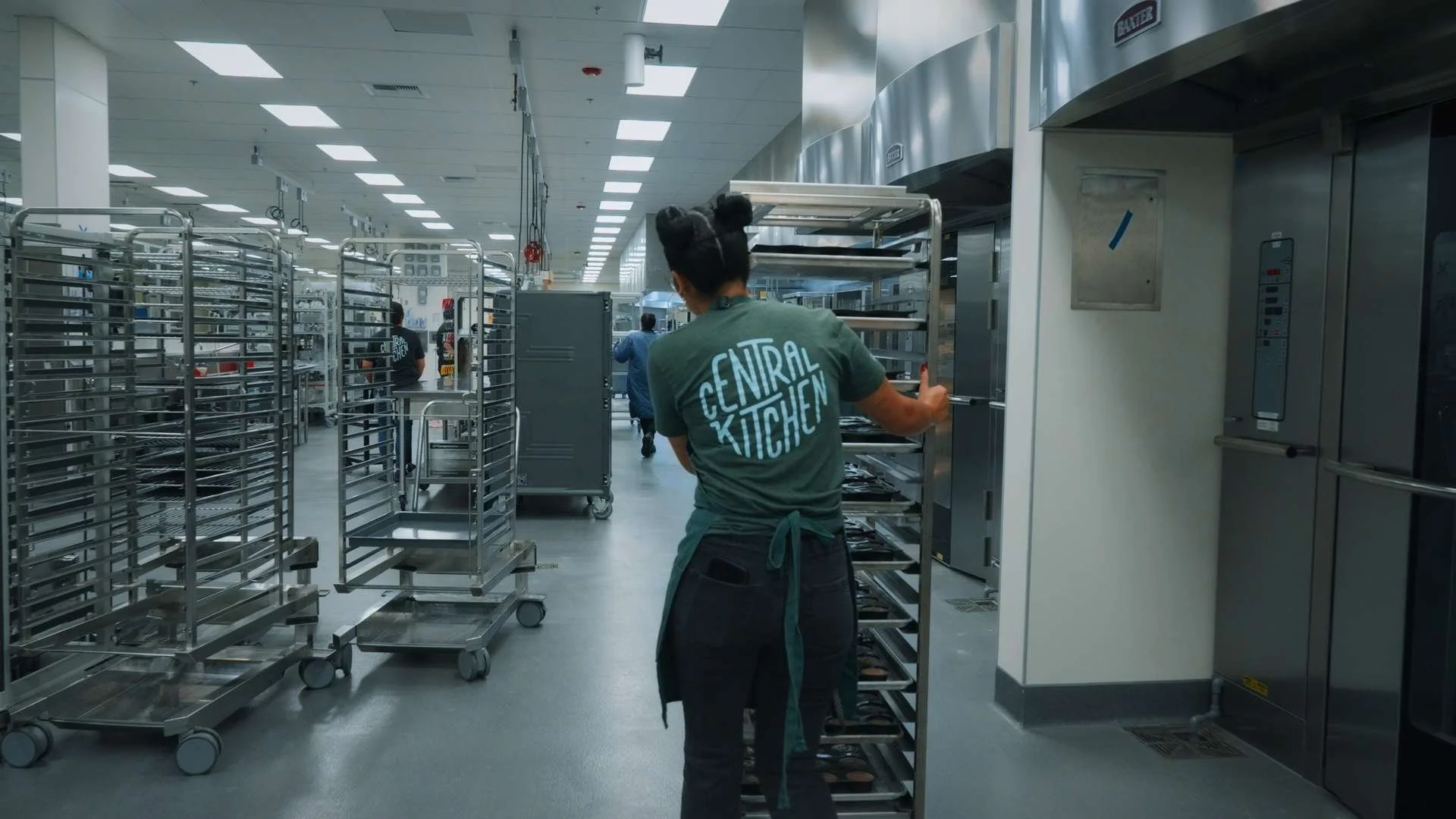
This case study breaks down how our team produced a documentary-style brand story video production project over the course of a year to capture the scale, heart, and impact of Central Kitchen’s farm-to-school model. From filming inside a 60,000-square-foot food production facility to interviewing students, chefs, farmers, and community partners across Sacramento, this project became much bigger than a single video. It became a story about public investment, local food systems, and what is possible when a community decides that kids deserve better.
For organizations looking into video production for school districts, agriculture video marketing, or mission-driven California video production, this project is a strong example of how strategic storytelling can build trust, shift perception, and inspire action.
Goal: Tell a Bigger Story Than “School Lunch”
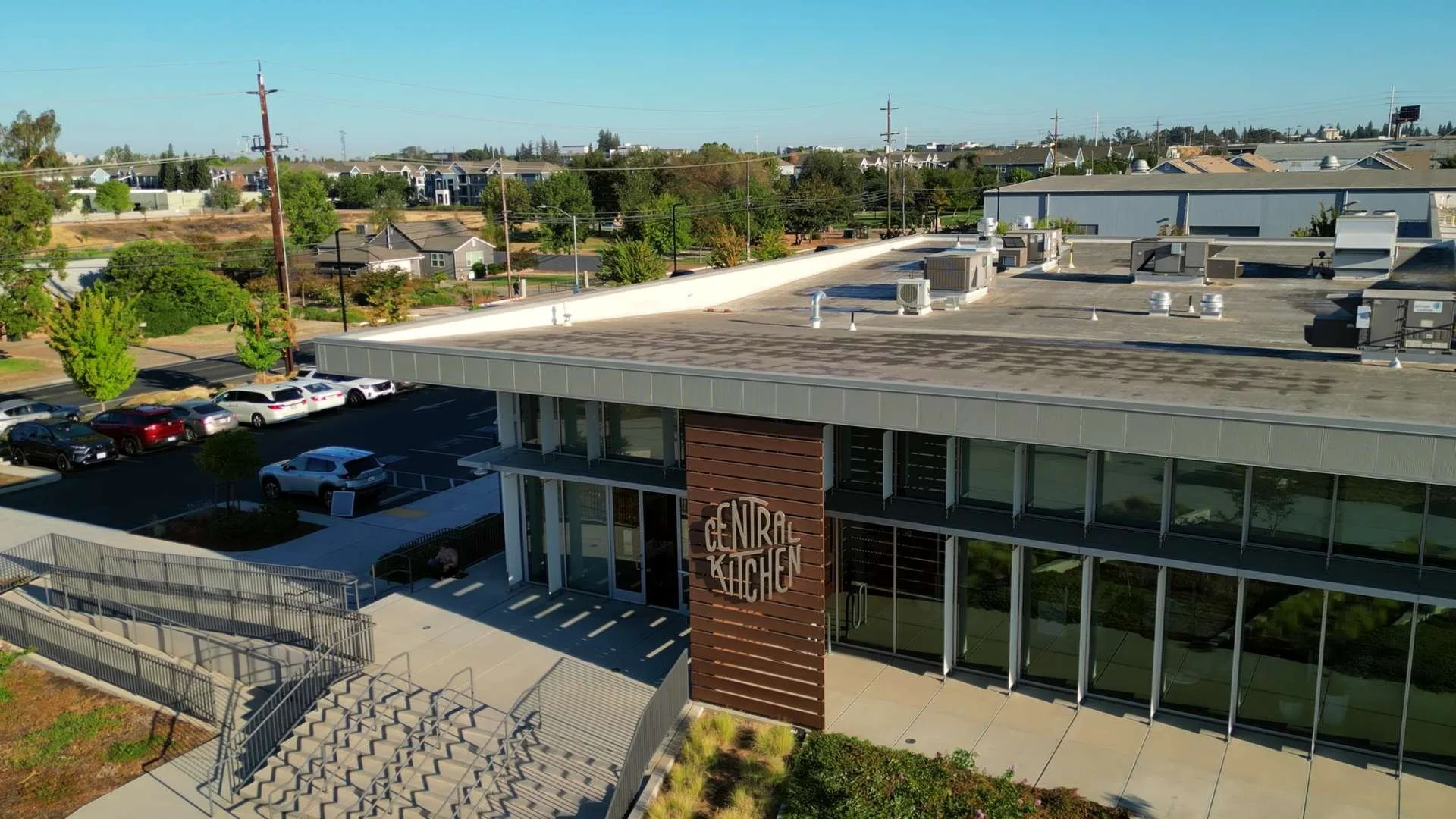
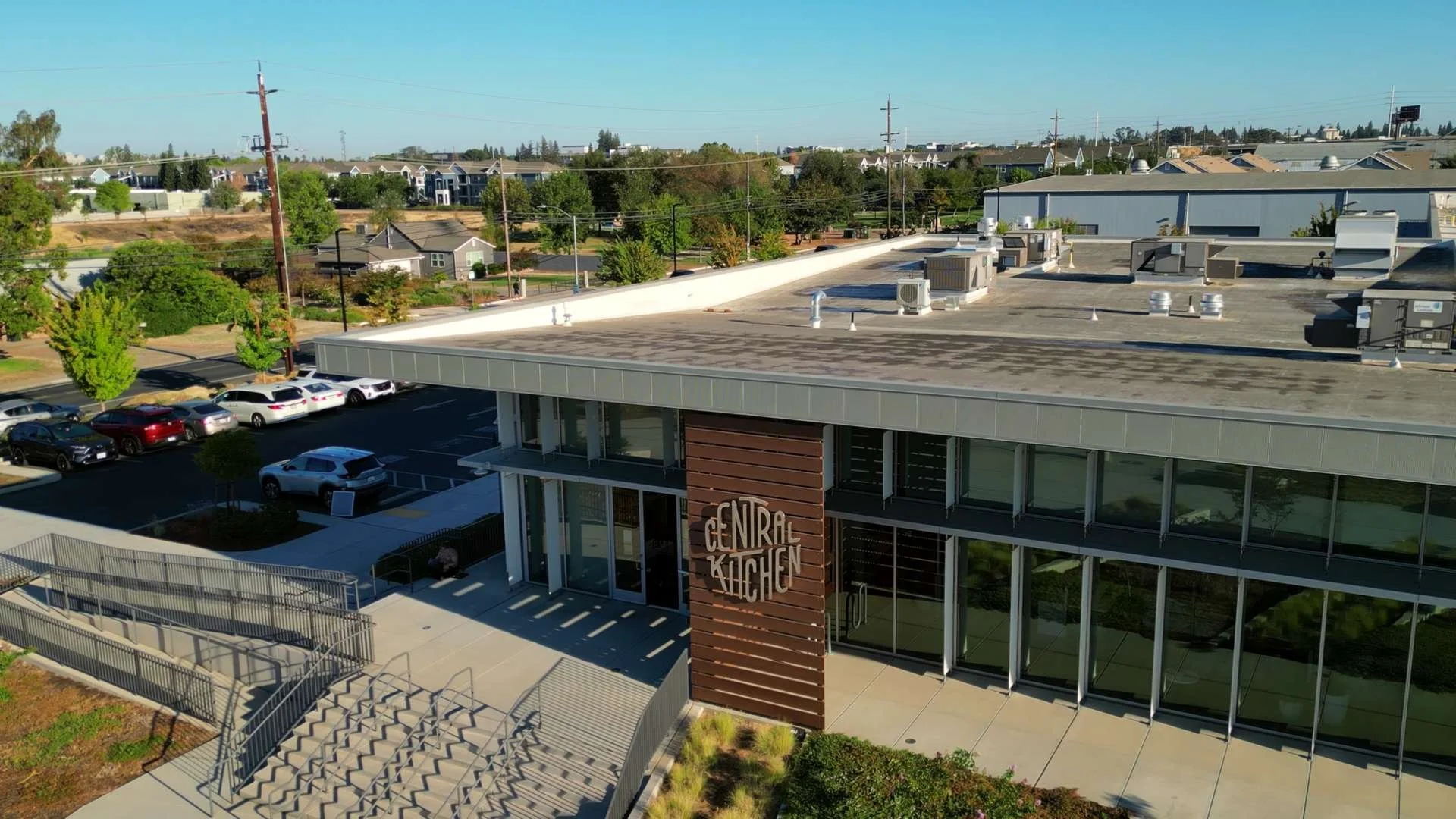
Central Kitchen was created after a 2012 bond passed in Sacramento, making possible a large-scale facility designed to process locally sourced ingredients into nourishing meals for students across the district.
Their team needed a video that could do more than explain logistics.
They wanted a film that could help viewers feel the mission.
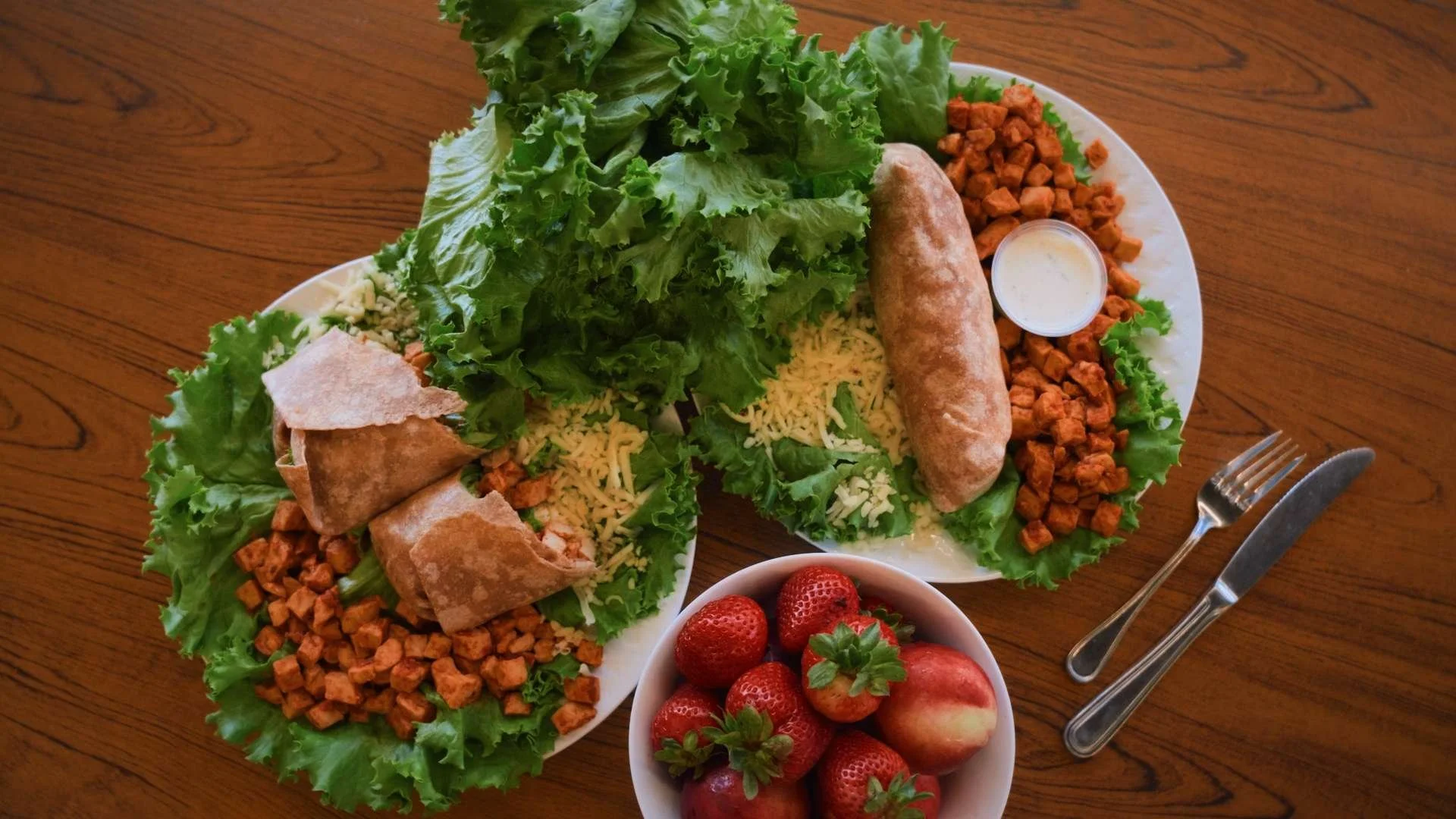
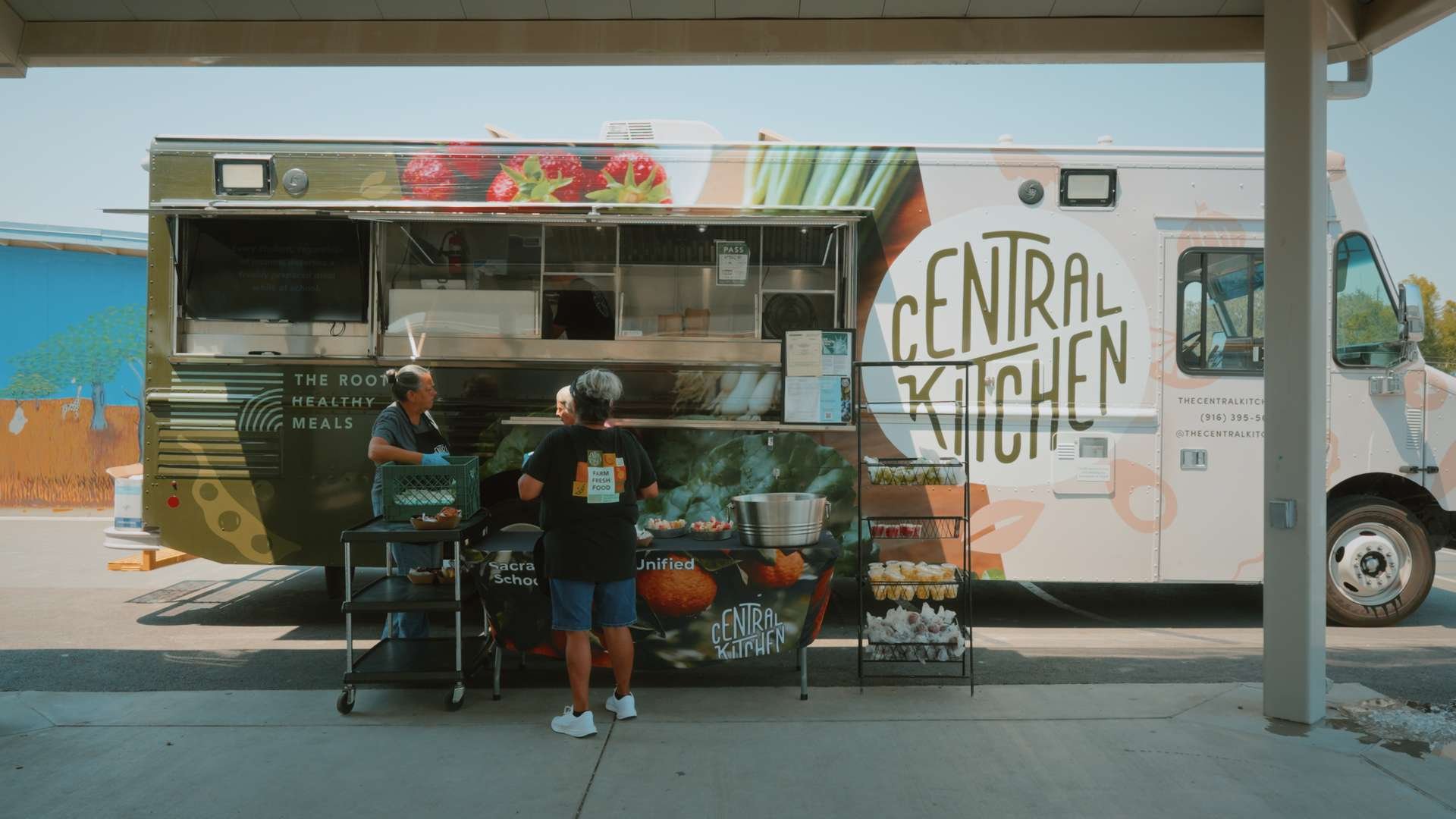
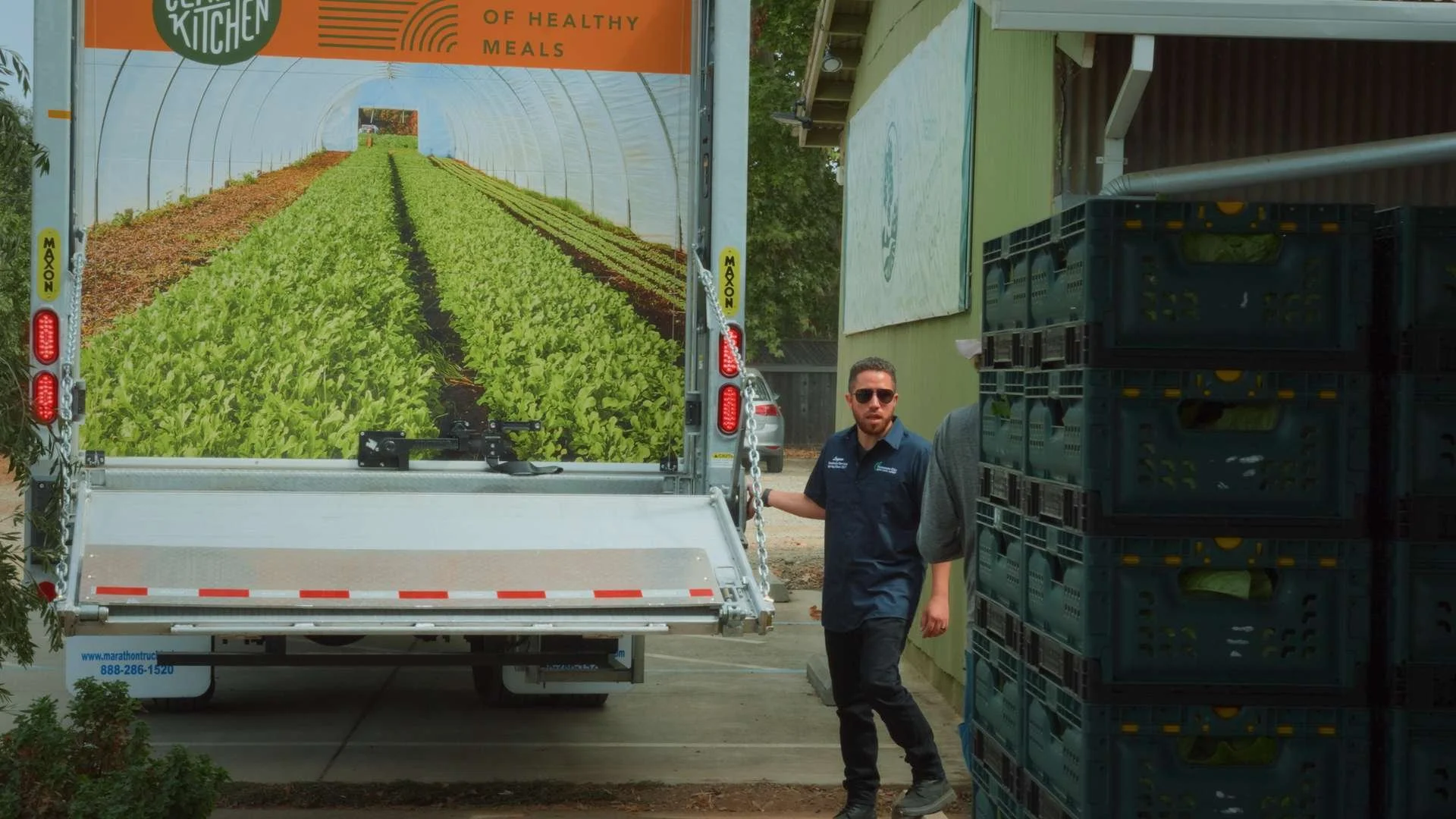
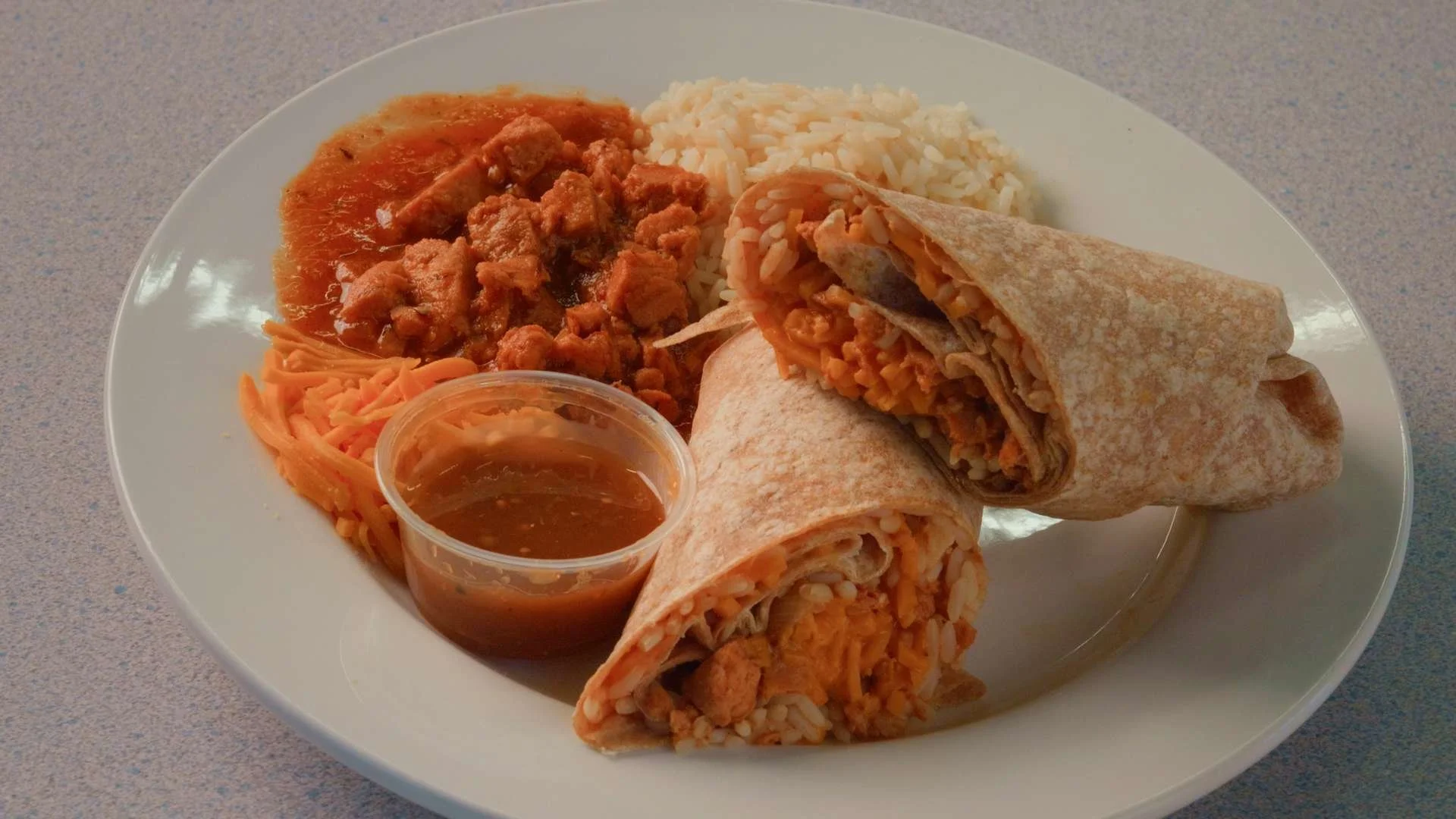
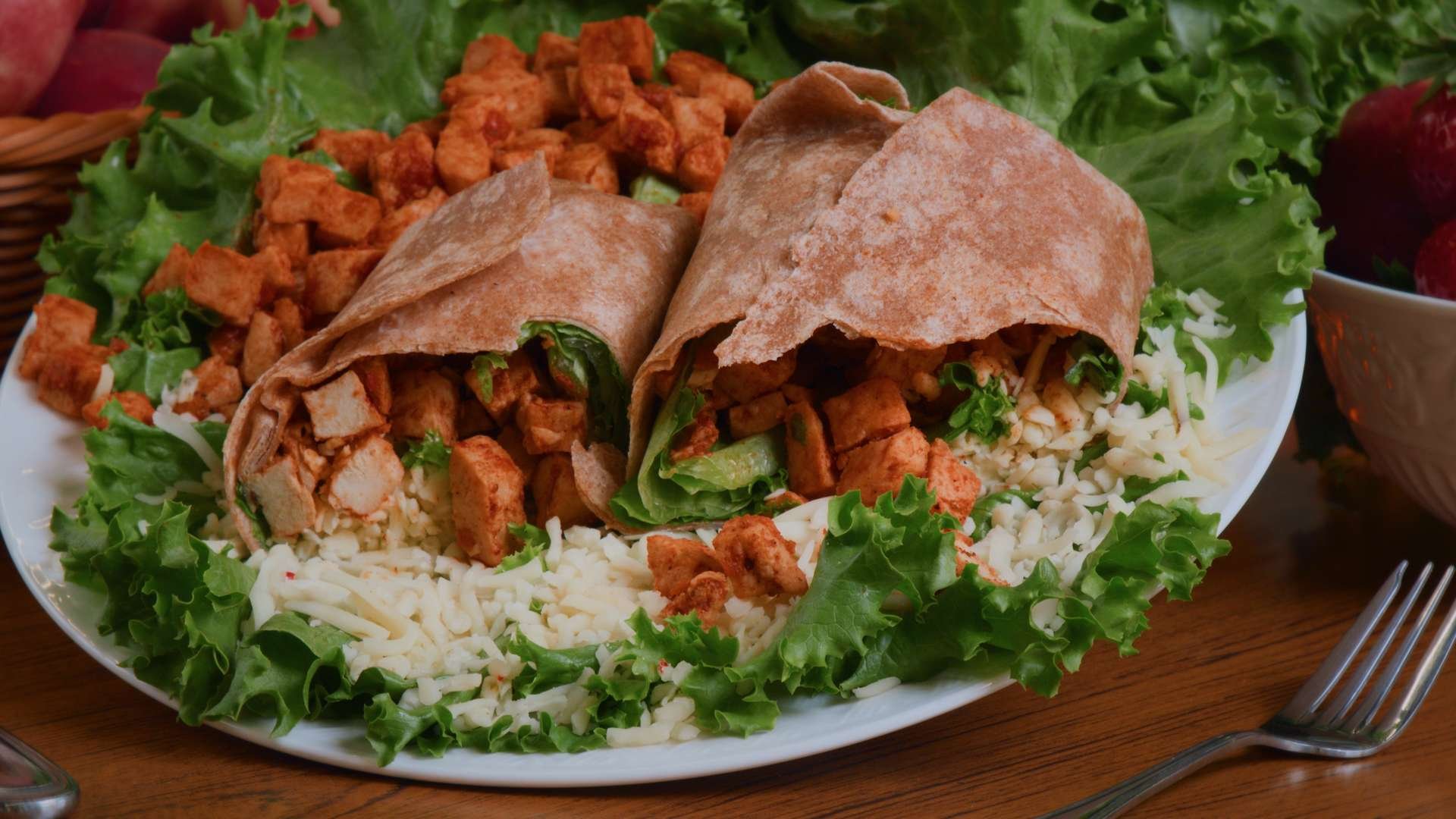
What made this project successful was not just the visuals, though there were plenty of strong visuals to work with: chefs in action, fresh ingredients, designed delivery trucks, salad bars, farms at sunrise, students eating meals that actually reflected care and intention.
What made it work was the combination of strategy and storytelling.
We helped Central Kitchen tell a story that honored both the emotional and operational sides of their work. We showed the scale of what they have built, the care behind how they serve students, and the bigger ecosystem that benefits when a district invests in local food systems.
We also made the process manageable for the client by taking ownership of logistics, interviews, scheduling, and creative execution. On a project with this many moving pieces, that kind of support matters just as much as the final edit.
For mission-driven organizations, especially those in education, public service, or agriculture, a case study like this is a reminder that video can do more than explain. It can shift perception. It can build buy-in. It can help people understand the value of work they may have overlooked before.
Our Approach to the Storytelling Process
From the beginning, we knew this project needed to feel more like a documentary than a typical marketing video.
There were too many important layers to flatten it into a quick highlight reel.
This story touched on student nutrition, local agriculture, taxpayer investment, public trust, cultural relevance in meal planning, federal and state funding, and the economic relationship between schools and regional farmers. The challenge was not finding enough material. The challenge was shaping all of that into one unified emotional arc.
Our role was to lead the creative direction and storytelling process while collaborating closely with the Central Kitchen team. They had a clear understanding of the mission and impact. Our job was to translate that into a film that felt cinematic, grounded, and strategically structured.
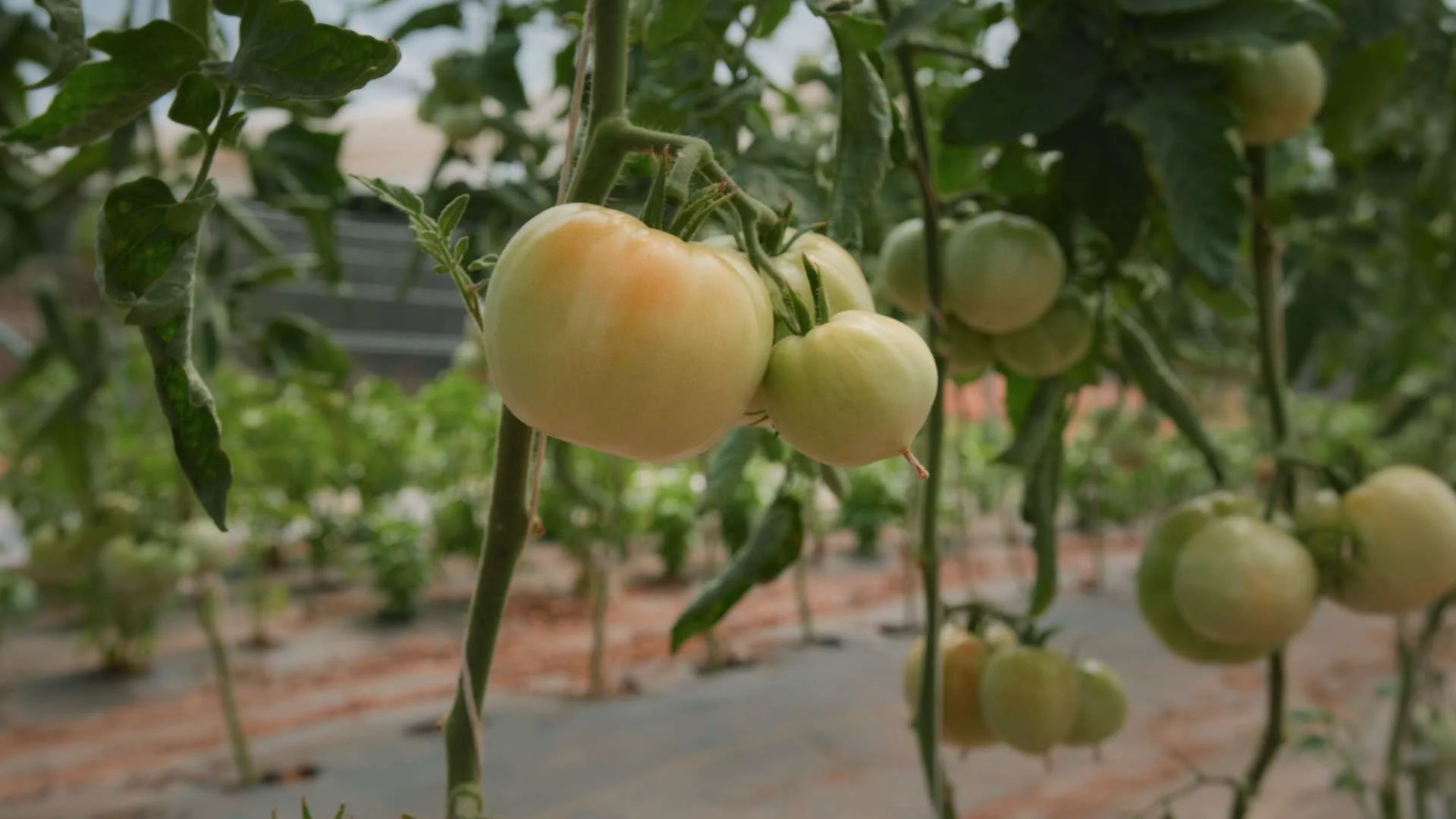
We approached the narrative with a simple but powerful lens: from seed to tray.
That framework helped connect every part of the story — the farms, the kitchen, the delivery system, the schools, and the students being served. It also gave us a way to show that Central Kitchen is not just preparing meals. They are creating a model that supports families, strengthens the local economy, and reimagines what school food can be.
Managing a Year-Long Production In Sacramento
This was not a one-day shoot.
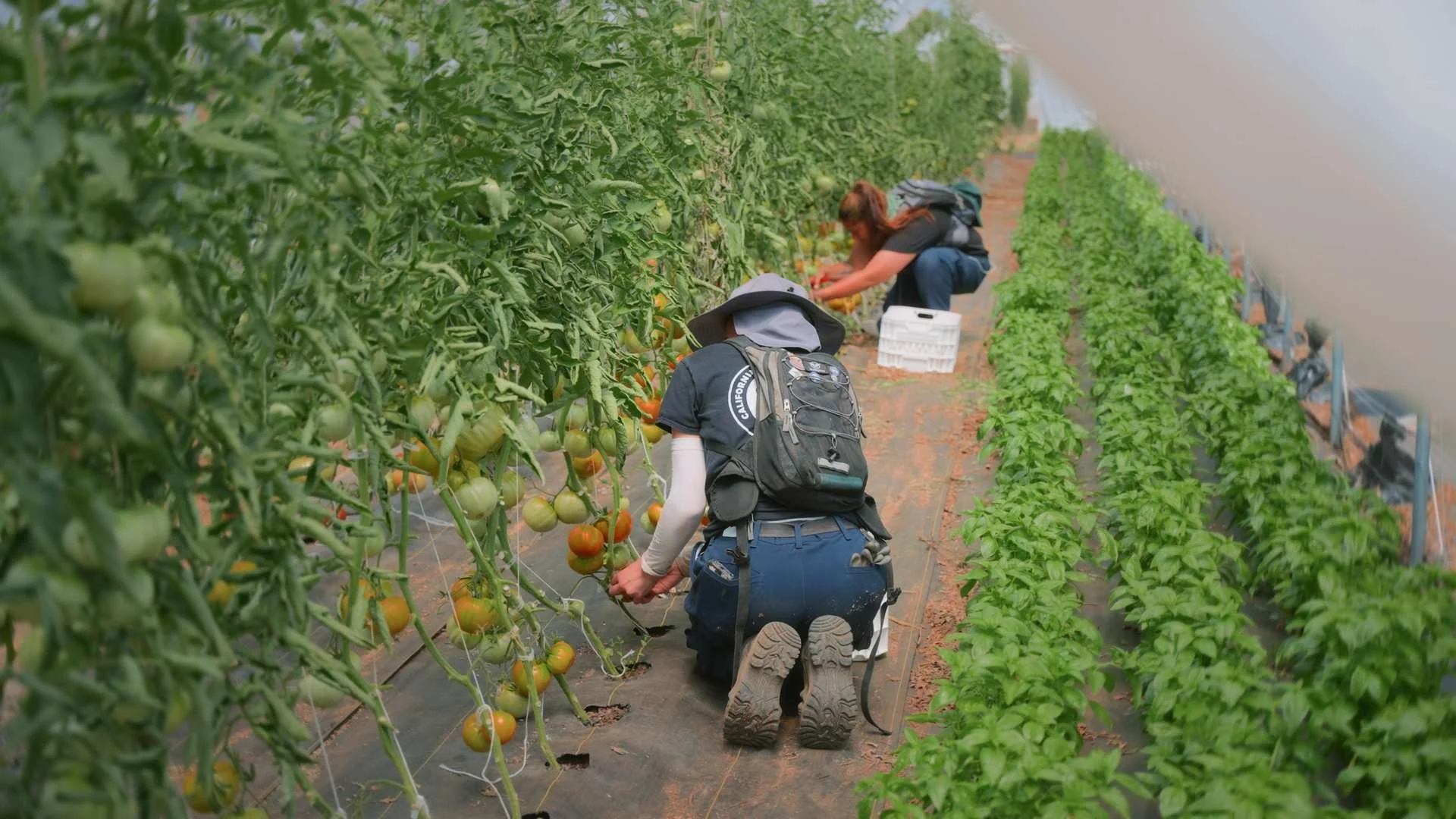
Our team worked with Central Kitchen across seven filming dates throughout the 2025-2026 calendar year, capturing footage in Sacramento at the kitchen itself, at partner organizations, on farms, and at multiple school sites.
That timeline mattered.
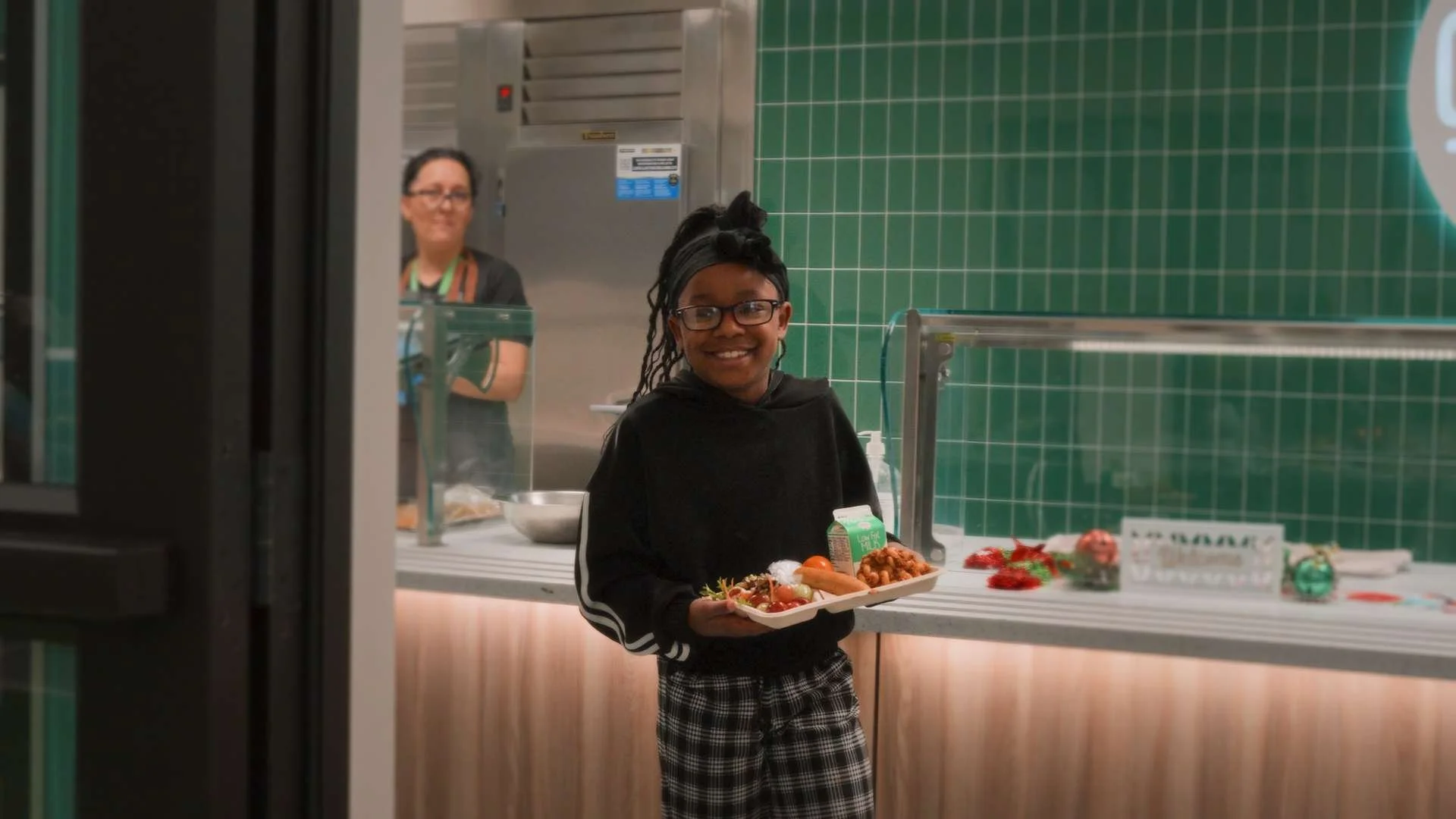
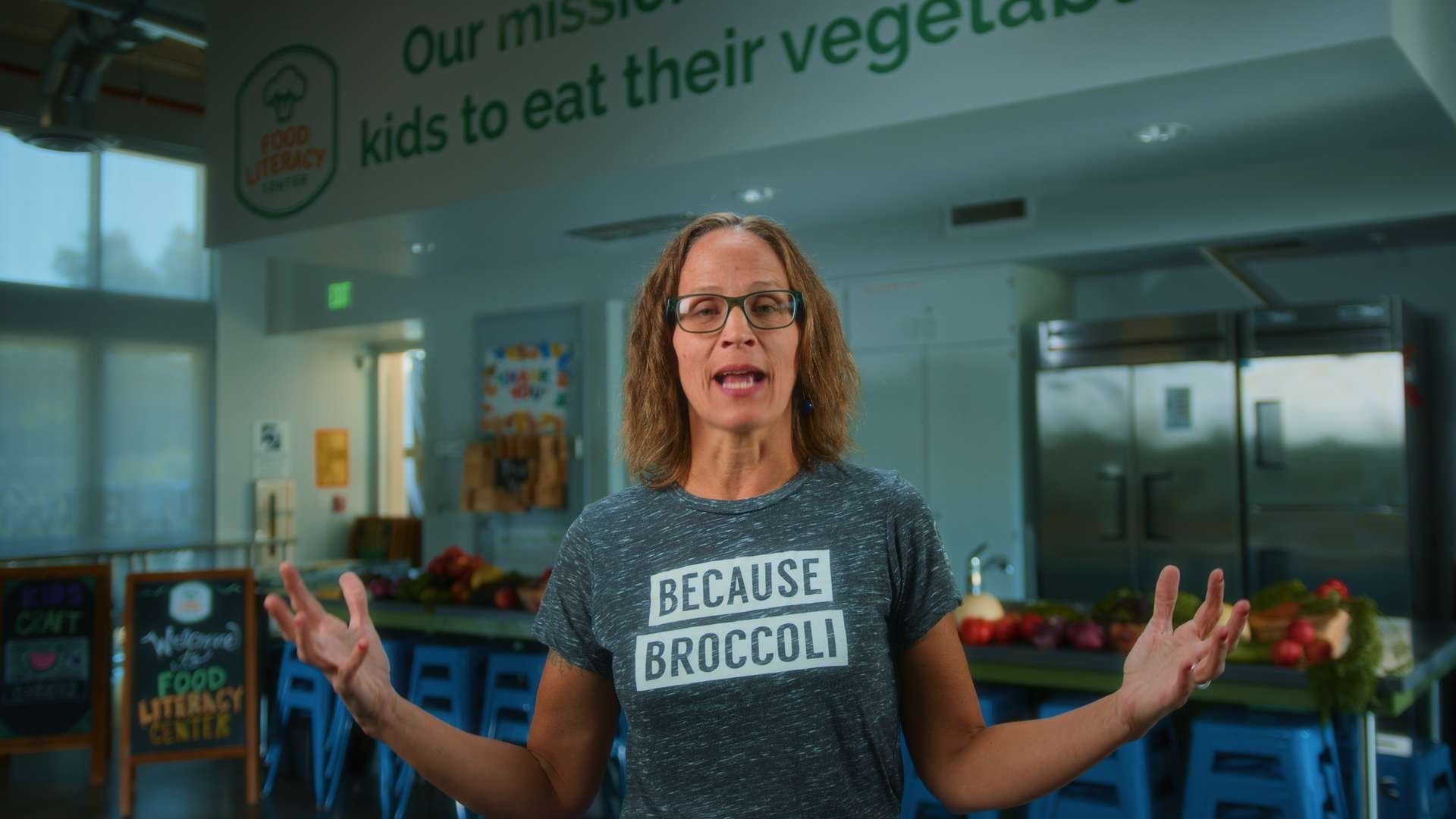
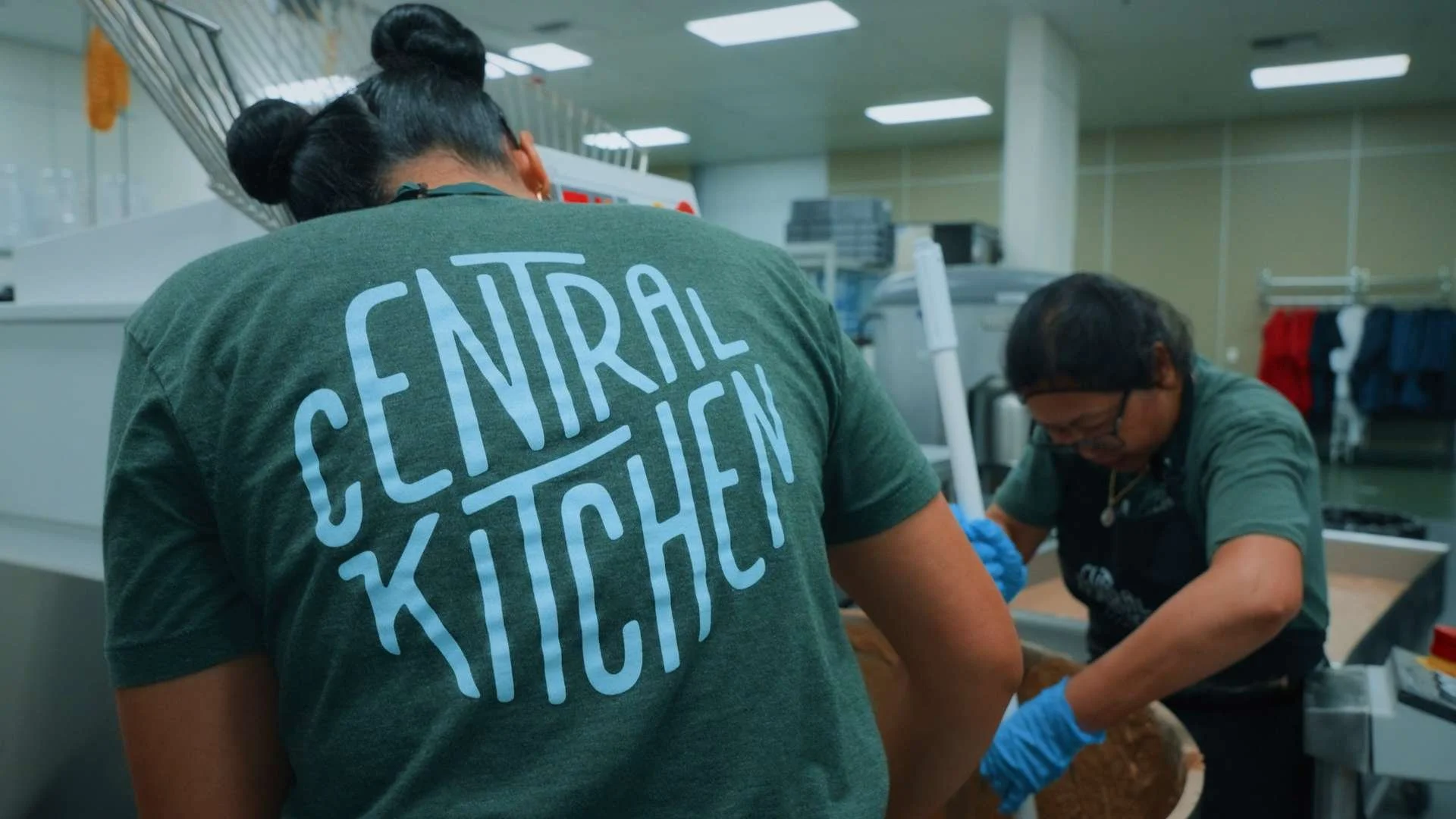
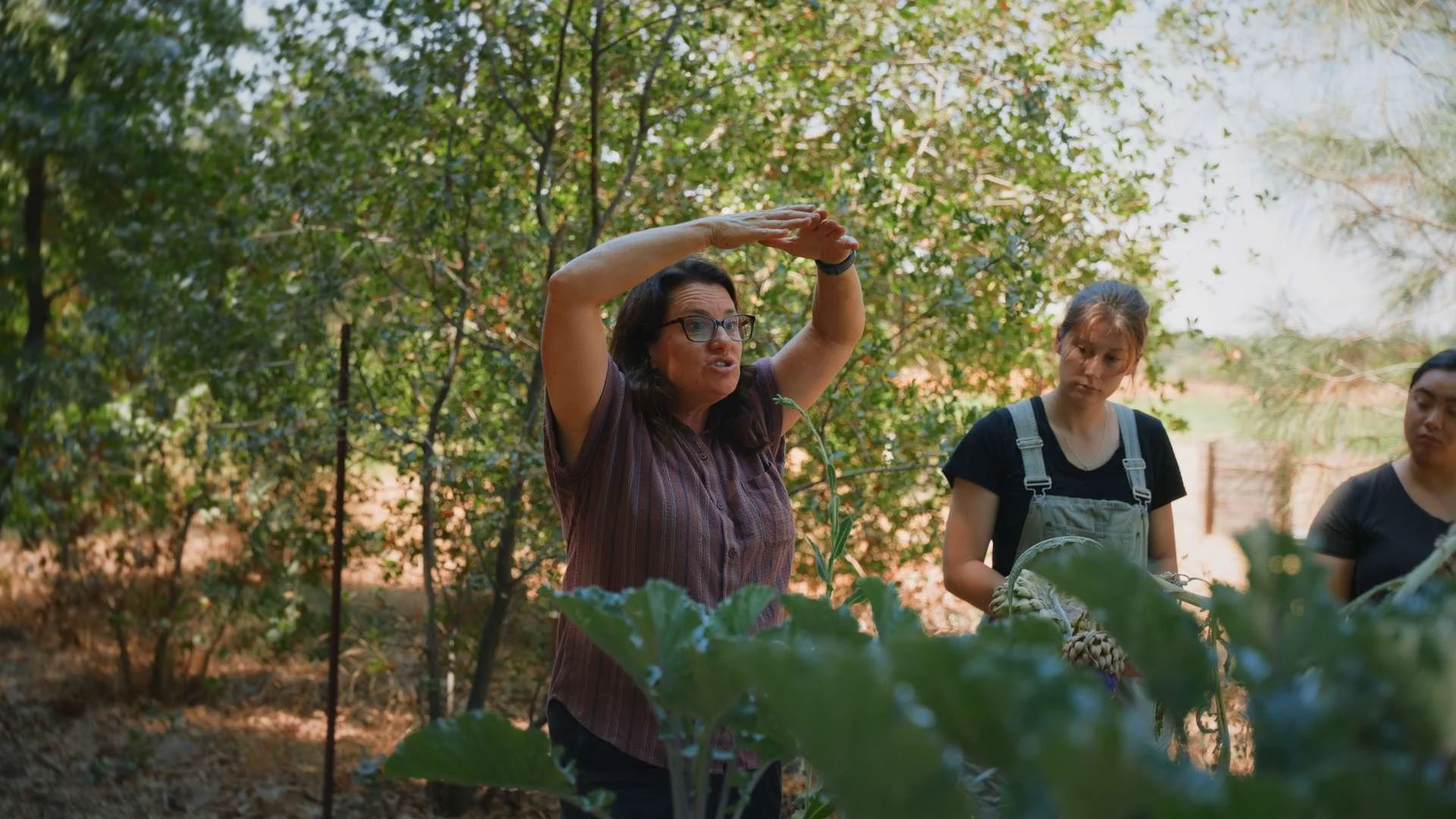
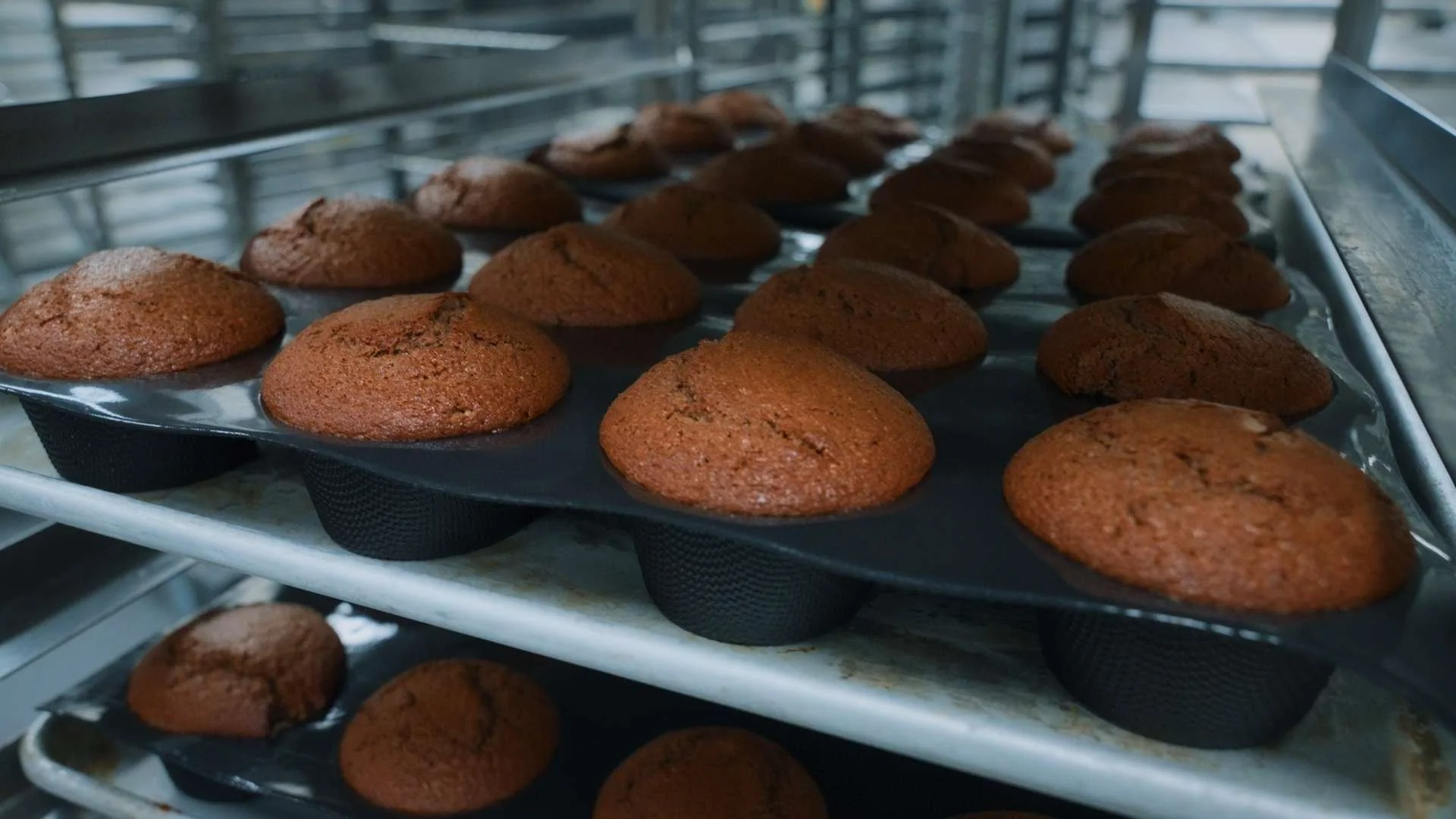
Because the story was so layered, we needed to film in different seasons, different environments, and different stages of the food journey. We recorded interviews and b-roll inside the Central Kitchen facility while meals were actively being prepared. We filmed with partner organizations like Soil Born Farms and the Food Literacy Center. We also visited elementary schools and high schools to capture the student experience and hear directly from the young people these meals are meant to serve.
One of the trickiest parts of production was timing.
We had to be strategic about filming on days when Central Kitchen meals were actually being served on-site. Since schools may offer other food items as well, we needed to make sure the footage clearly reflected meals that had been prepared through Central Kitchen’s system. That required extra coordination, extra communication, and a lot of careful planning in pre-production.
This is one of those details viewers will never see on screen, but it makes all the difference in creating an honest and accurate final film.
What Production Looked Like Behind the Scenes
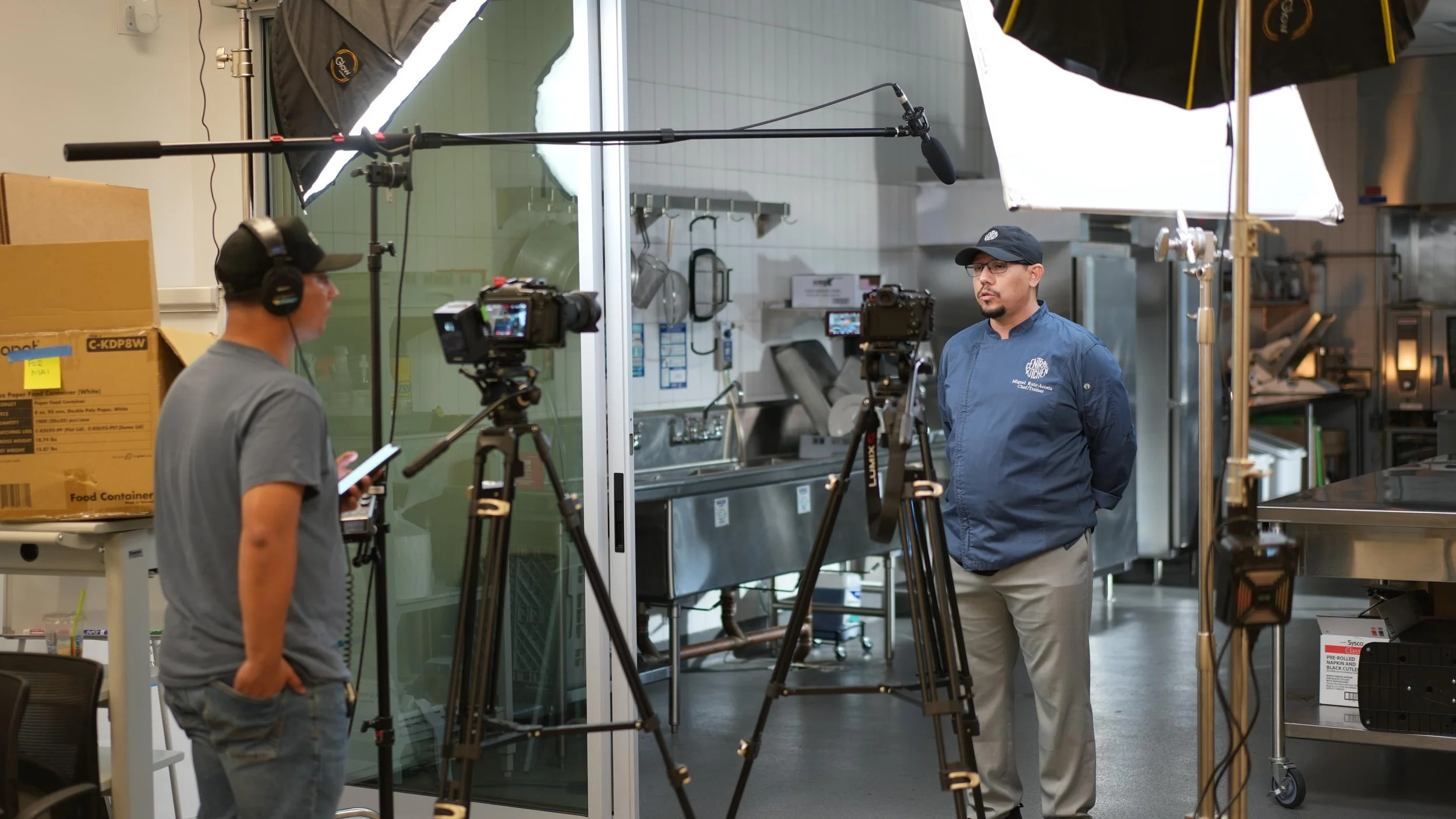
Our team handled the interview coordination, scheduling, and pre-production logistics so Central Kitchen did not have to carry that burden internally.
We organized shoot plans for each filming day, identified the strongest timing for interviews and visuals, and coordinated with community partners across multiple locations. Kasey worked with local Sacramento creative associates along with our Bay Area team, and overall we operated with a production crew of four.
Even that came with challenges.
Not every location was nearby, and some required over an hour of driving between stops. On a project like this, the schedule cannot just look good on paper. It has to account for real transitions, changing light, interview setup time, b-roll needs, and the natural pace of working with multiple people in active environments.
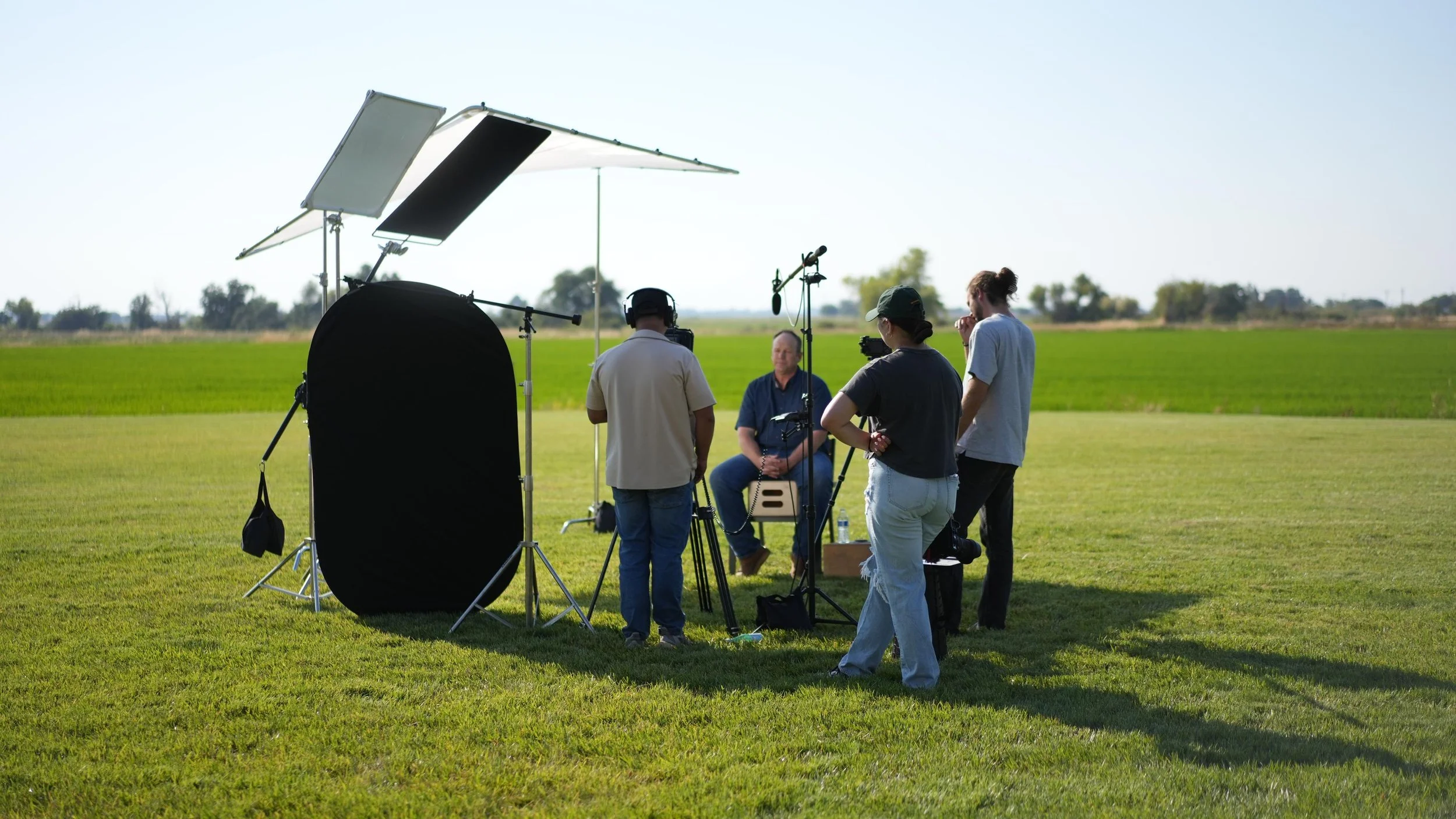
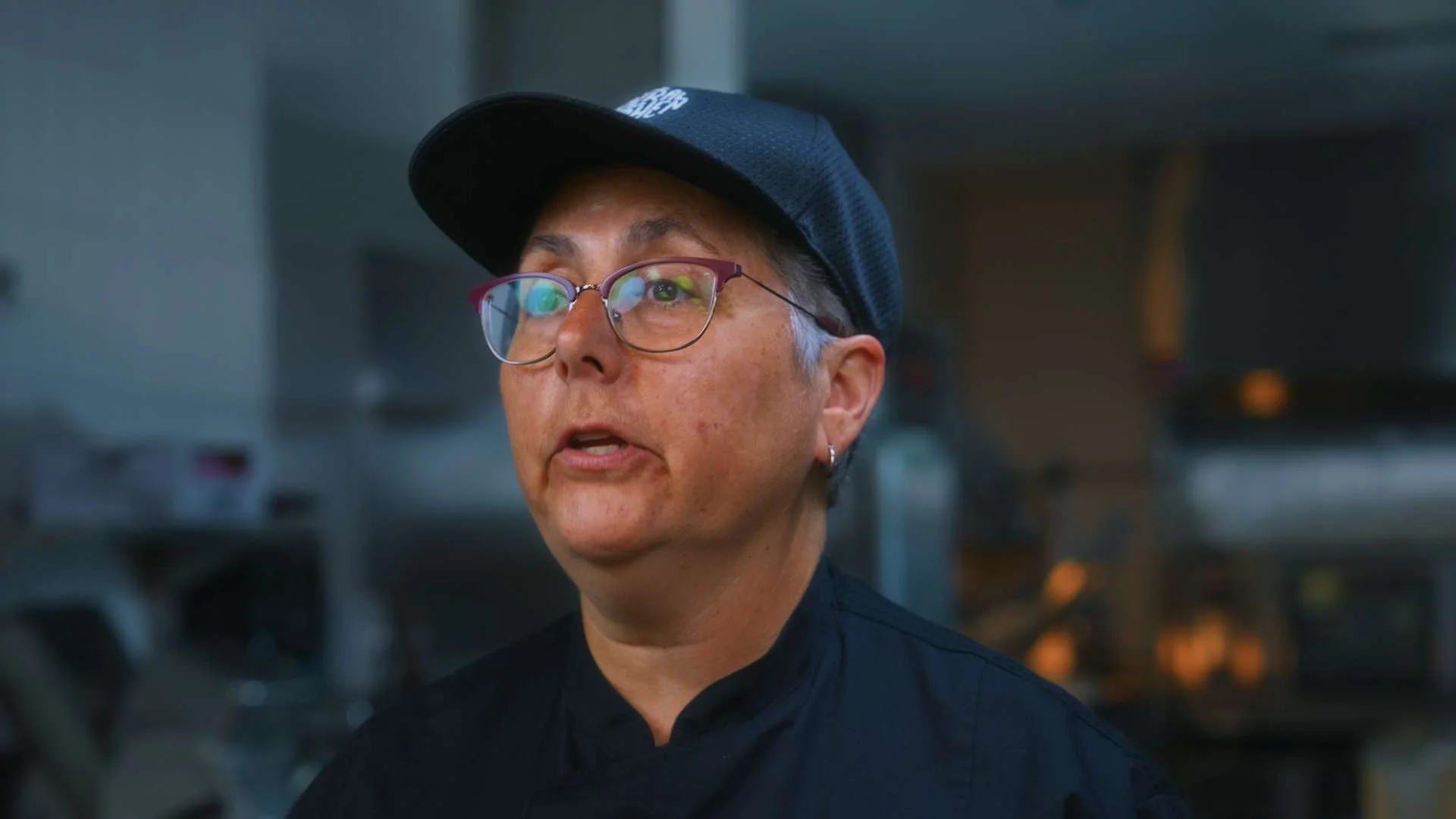
We also interviewed more than 20 people for this project, including staff, chefs, students, and community partners. That meant release forms, interview prep, and thoughtful visual setups for each person. We wanted every interview to feel cohesive within the larger film, while still giving each speaker enough space to bring their own personality and perspective to the story.
That balance is a huge part of successful Brand Story Video Production. You are not just collecting soundbites.
You are building a narrative ecosystem where every voice supports the larger message.

Diana Flores | Executive Director Nutrition Services, Central Kitchen
“Kasey Bruce Media managed to get a whole lot done in just one shoot. The work was
timely, efficient and the communication throughout was excellent. The end results
speak for themselves and really exceeded my expectations. Highly recommend!”
Tying in The Core Themes
What made this project especially ambitious was the number of themes living inside it at once.
We were telling a story about why students deserve fresh, nourishing meals. We were also telling a story about why local and organic sourcing matters, why farmers benefit from stable institutional partnerships, why Sacramento is uniquely positioned to lead in this area, and why funding matters if programs like this are going to continue.
We were also telling a story about trust.
Parents need to understand the value of bringing their students to school for breakfast and lunch. District leaders need to see that this kind of system is possible. Elected officials need to understand the outcomes and challenges. Other school districts need to feel inspired by a model that proves this work can be done, even if it is difficult.
That is a lot to hold in one film.
But that is also why documentary-style storytelling was the right fit. It gave us room to let the story breathe, while still shaping it into a clear emotional experience. The goal was for viewers to walk away feeling surprised, hopeful, and invited in — like, “I had no idea school nutrition could look like this,” and maybe even, “Our kids could have this too.”
A Standout Filming Day
One of the most memorable production days happened during the summer in Sacramento, and it was easily one of the busiest.
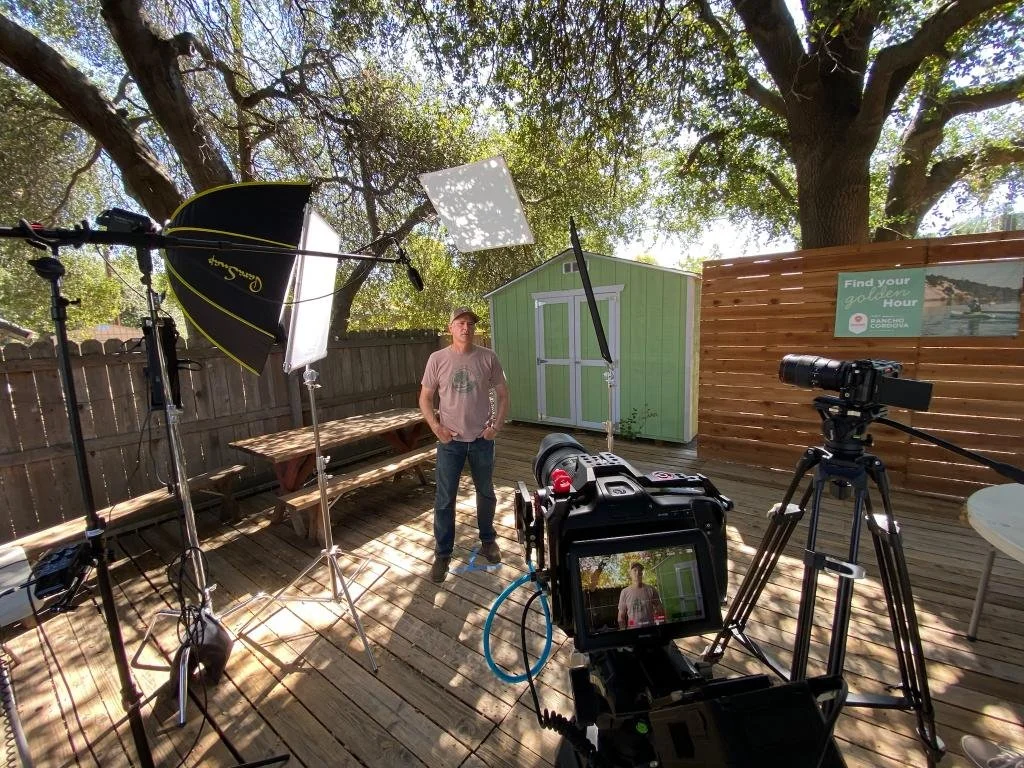
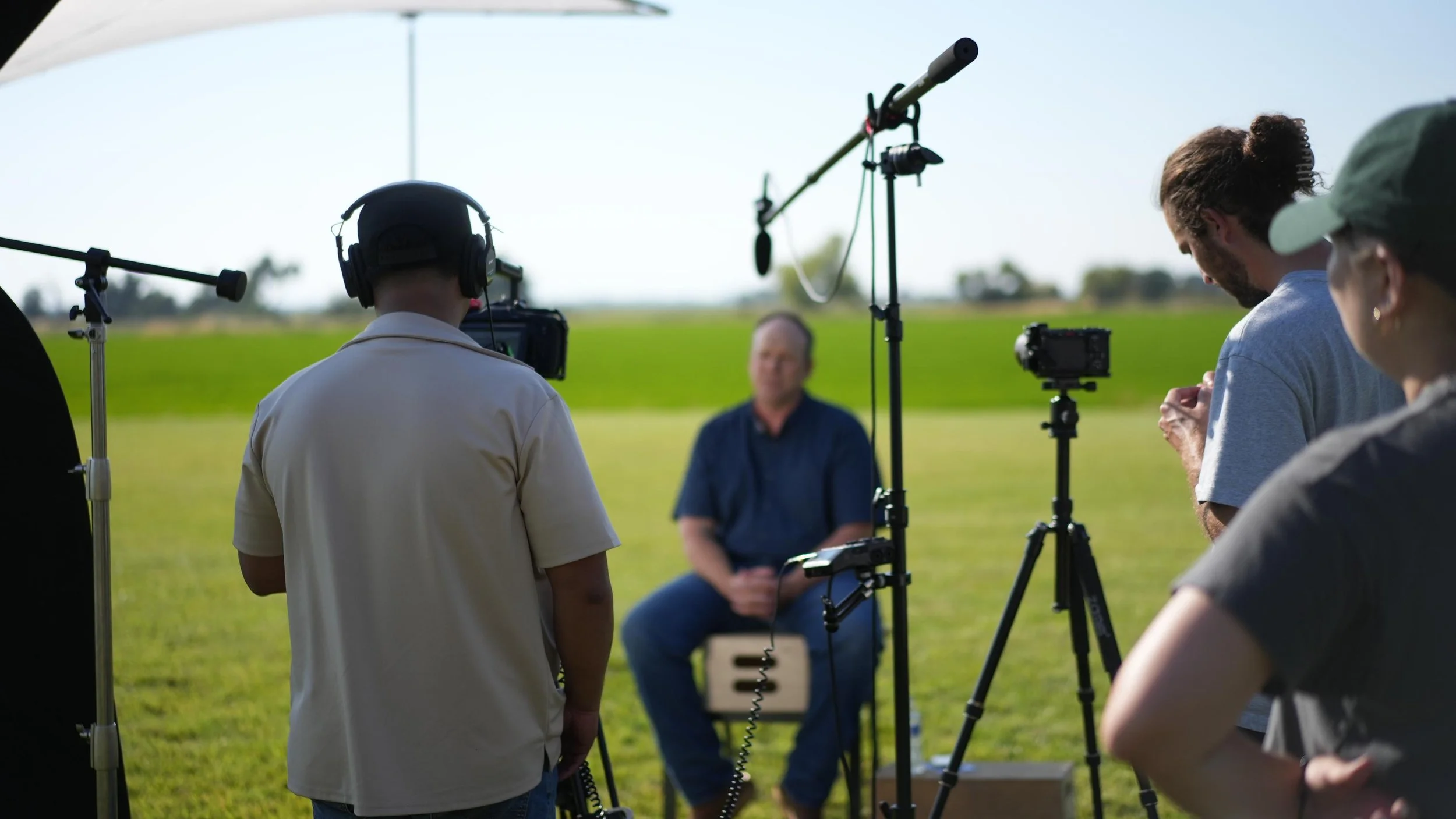
We had three different interview setups scheduled that day, moving from Soil Born Farms to the Food Literacy Center to a rice farmer partner. Each stop required not just the interview itself, but also location b-roll, lighting setup, audio setup, and enough transition time to keep the day on track.
It was hot. Really HOT.
Our crew felt it, and long days like that can either wear a team down or bring everyone closer together. I made sure we had a cooler packed with iced drinks and snacks, and I always try to build in a real lunch break on long production days because honestly, it just matters. People do better work when they are taken care of.
That day stands out not just because it was demanding, but because every interview added something meaningful to the story. You could feel how much pride people had in the program. And when we interviewed students, it was clear they had real opinions about school lunch and were genuinely eager to share them.
Those moments are gold in documentary work. You can plan a lot, but you also have to leave room for real human response.
Check out the Behind-the-Scenes
Final Thoughts on This Central Kitchen Film
This project reminded me that some of the most meaningful stories are the ones hiding in plain sight.
A school meal might seem ordinary on the surface. But behind it can be an entire network of chefs, farmers, educators, systems, values, and community investment all working together to serve students well.
That is what made this film worth telling.
And that is why I believe thoughtful California Video Production matters so much for organizations doing complex, mission-driven work. When the story is layered, the strategy matters. When the message is important, the storytelling has to rise to meet it.
Central Kitchen is proof that school nutrition can be innovative, dignified, and community-centered. It is also proof that when the right people are trusted to build something bold, the impact can reach far beyond the lunch tray.