Capturing a Year of Teacher Coaching in One Afternoon for Thrive
(published on 9.28.26)
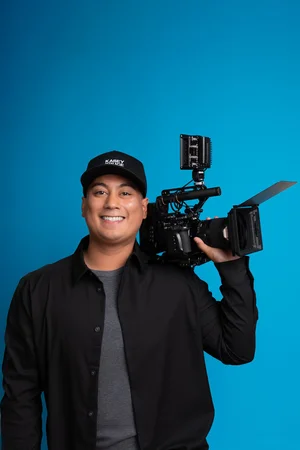
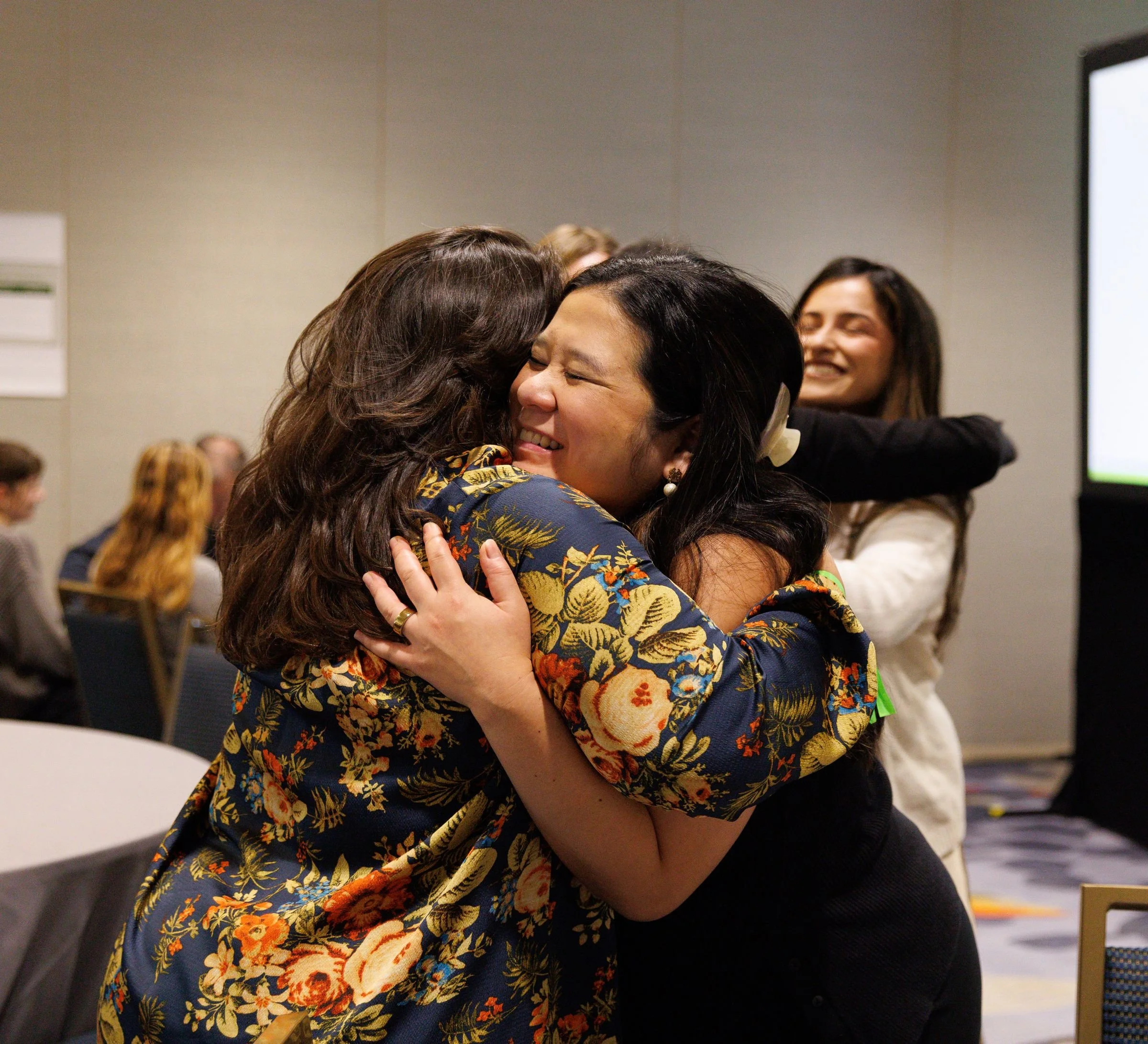
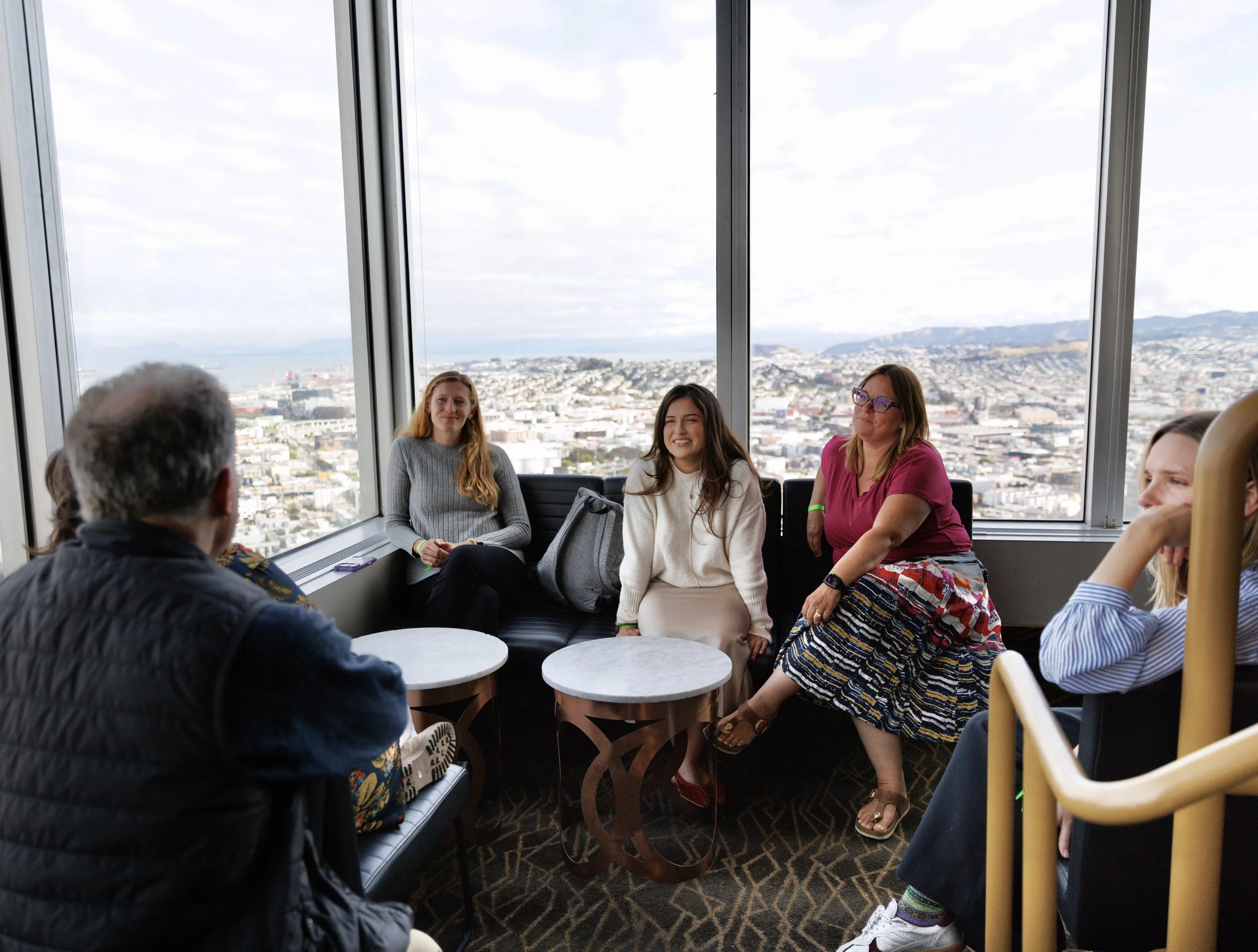
On May 5, 2026, my team covered a funder reflection event for Thrive, an education nonprofit, at the Hilton San Francisco Union Square. I was traveling, so photographer Rachel and videographer Subei ran the day on their own. By the end of the afternoon they had interviews with teachers, school leaders and partners, a full set of event photos, and enough footage for a recap video, two social reels, and a library of raw clips Thrive could keep pulling from all fundraising season.
Anyone can pull off a great shoot when the founder is standing behind the camera. The real test of a production company is whether the planning, the people, and the process hold up when he isn't in the room. This one held up, and the client put it in writing.
The Client: An Education Nonprofit That Needed Proof
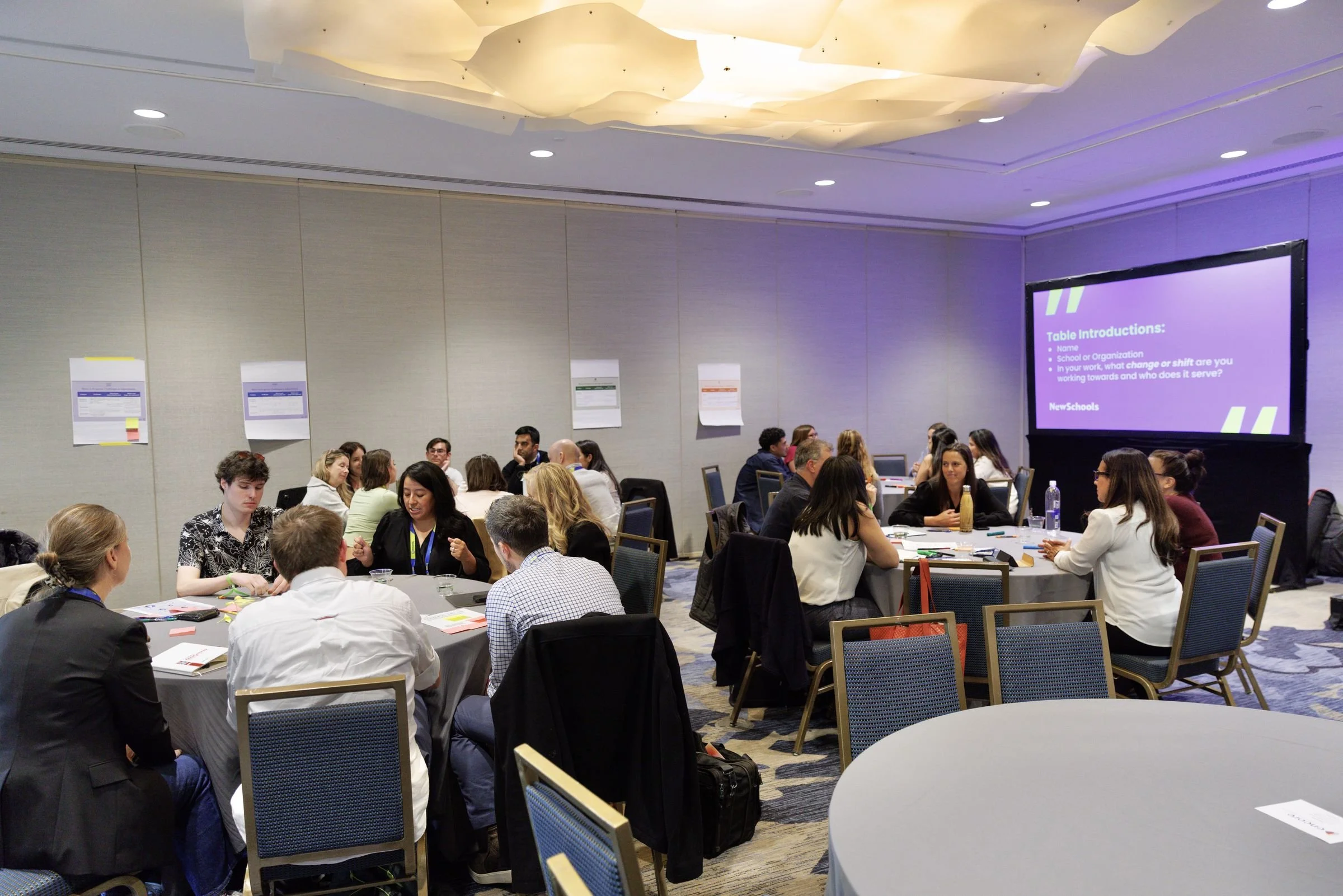
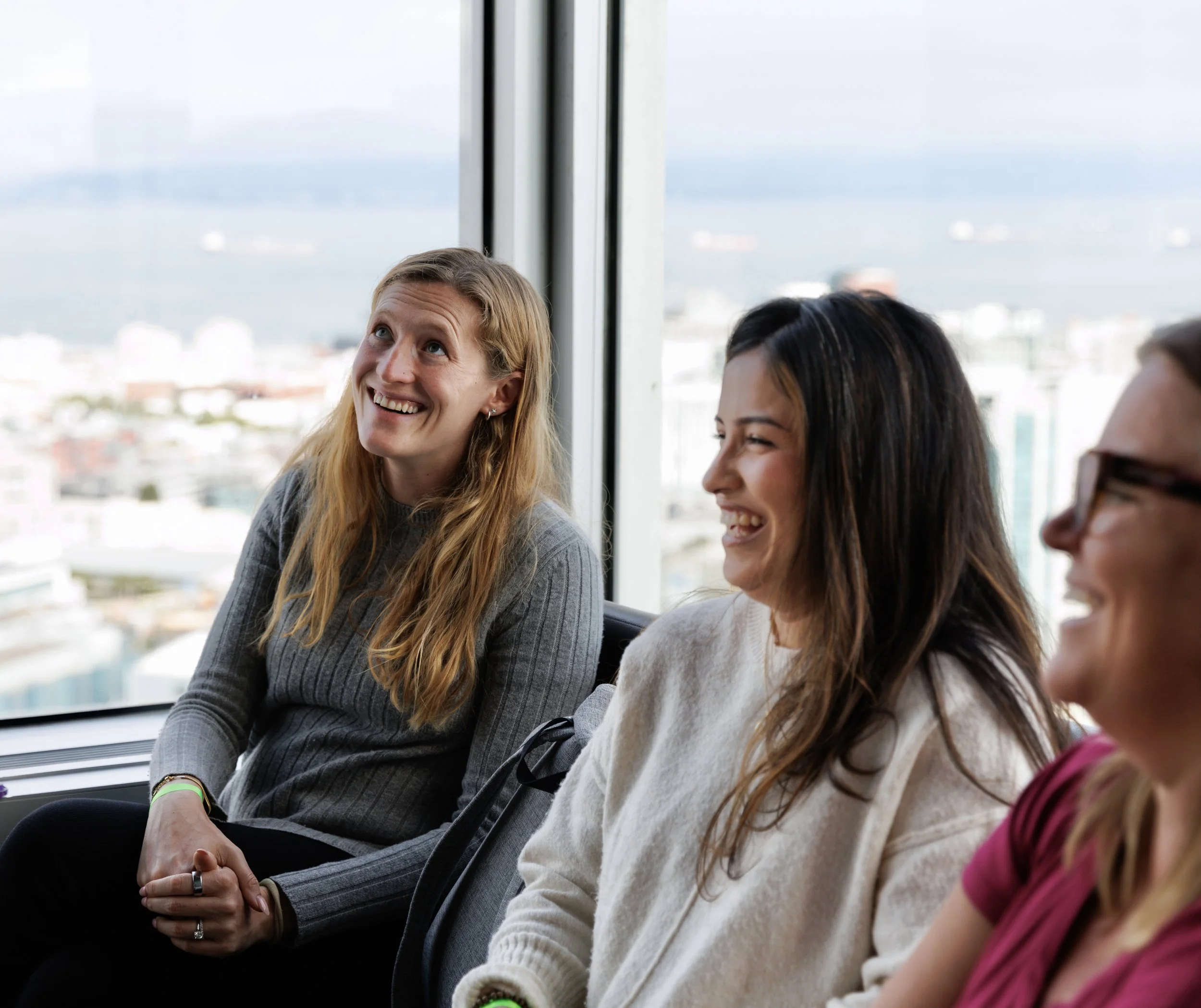
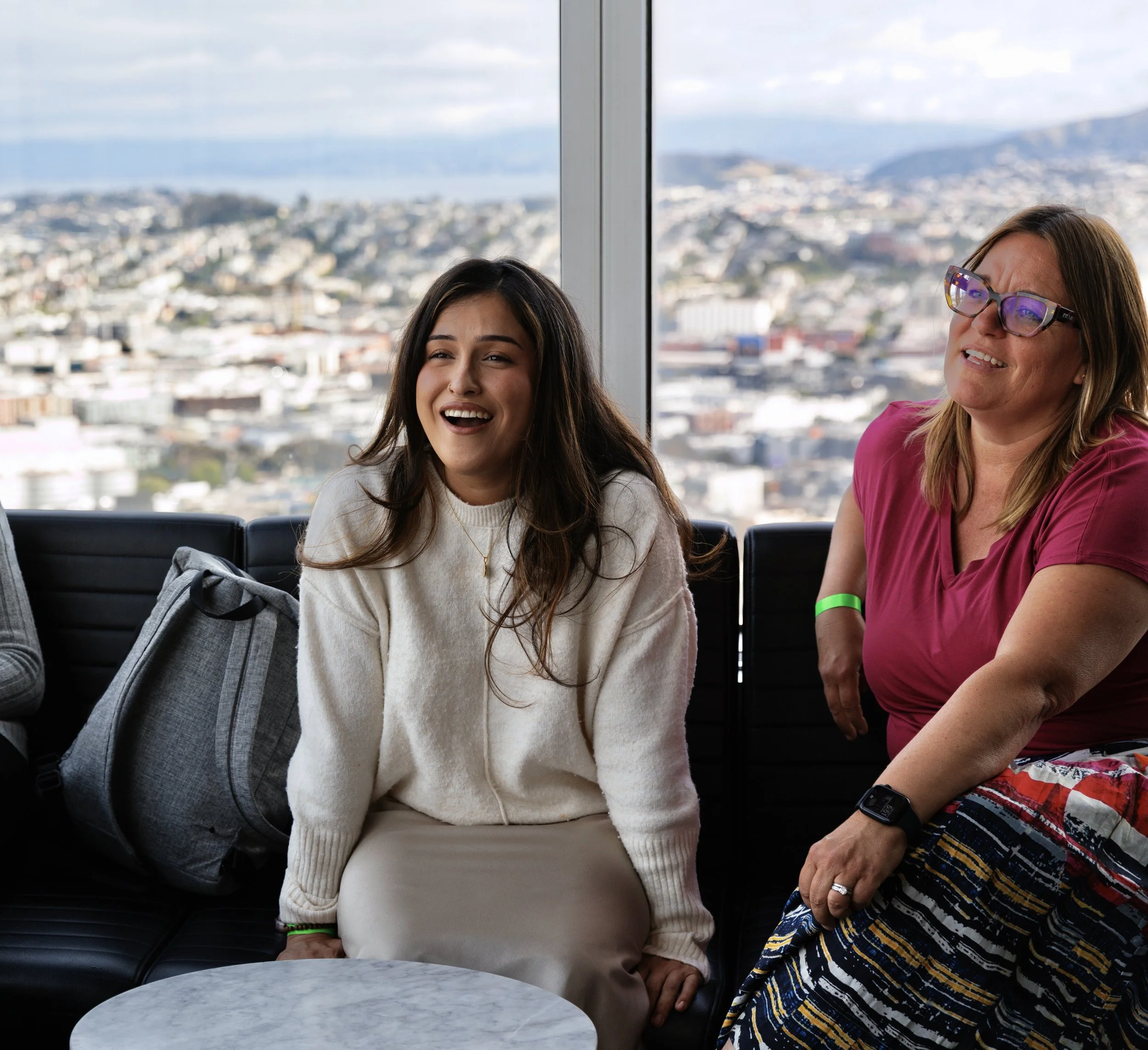
Thrive is an education nonprofit that coaches schools on the systems and structures that help both adults and students thrive. With grant funding behind them, they'd spent the year coaching a group of Bay Area schools alongside Teach For America Bay Area. This event was the finish line: four school teams, one per table, with funders seated right in the mix, reflecting on what had actually changed in their classrooms.
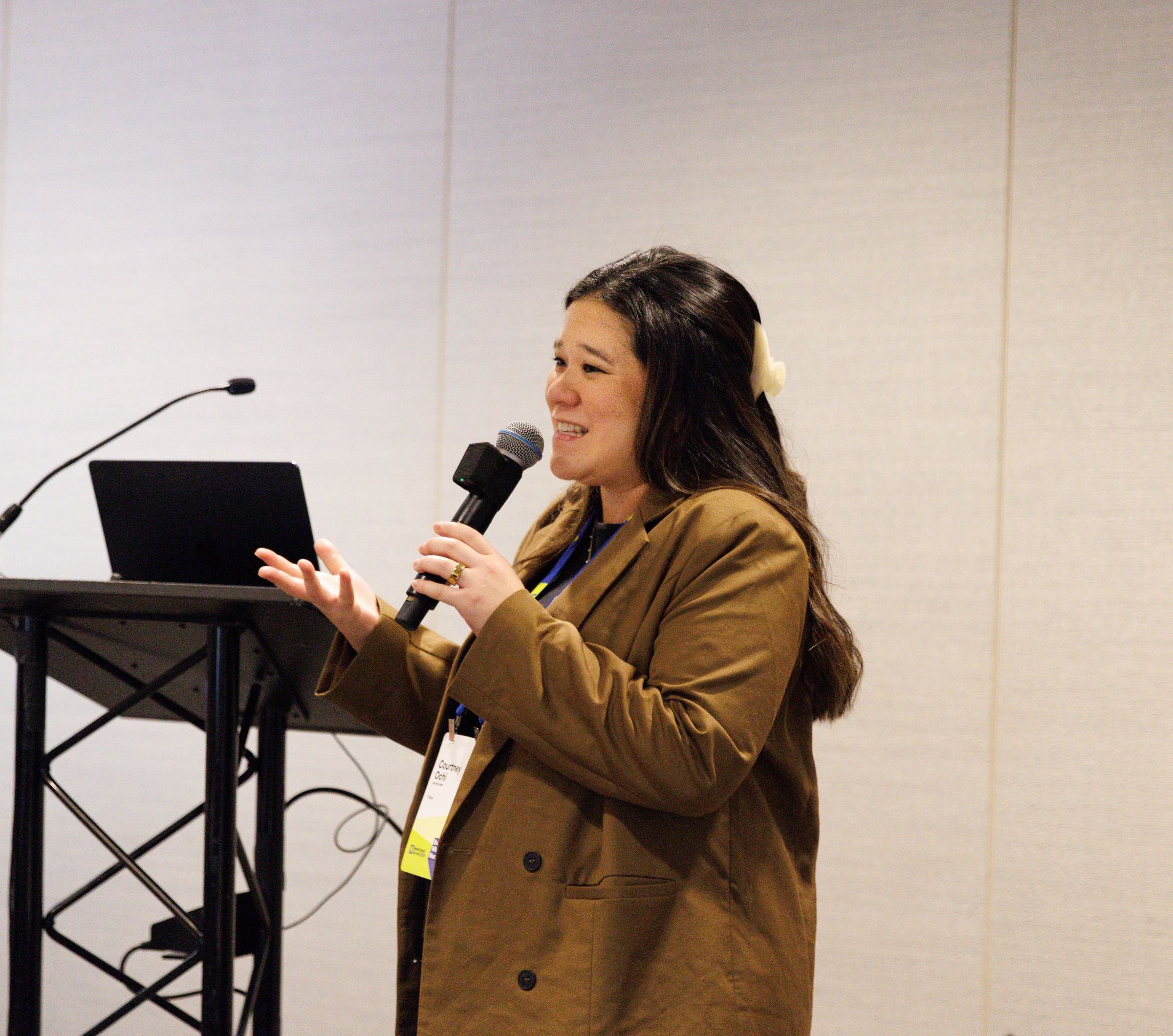
Courtney Ochi, Thrive's Senior Director, found us the way a lot of our clients do, through a Google search. On our first call she was clear that she didn't just want nice event photos. She wanted proof. Footage that shows what it looks and feels like when educators finally get real coaching, structure and community, and content her team could put in front of funders, their board and prospective partners for months after the event wrapped.
She was just as upfront about budget. Nonprofits have to steward every dollar, and she'd already collected quotes on both ends of the spectrum. We weren't the lowest number she got, so instead of stripping things out, we built the package around what she actually needed: a photographer, a videographer, and raw files her team could use on their own. We've been in that spot with nonprofits before, like when we helped one pull off a powerful brand video on a tight budget and an even tighter deadline.
Planning an Event I Wouldn't Be At
Event video looks spontaneous on screen. It almost never is. Since I knew I wouldn't be in the room, nearly all of my work on this project happened in the two calls before it.
The first was the kickoff with Courtney, where we walked the run of show minute by minute and built the interview list together. We landed on about ten people. Six teachers who represented a good spread of the program, one school system leader for a view beyond the classroom, and a handful of organizational leads, including Thrive's CEO and Teach For America Bay Area's executive director, to be the storytellers who connect the dots. Timing mattered as much as the names. Staff and partner leads would go before doors opened, while the room was still calm. Teachers would go during the 30-minute break, right after a reflection activity, when they'd have something real to say. Funders and national leadership would go last, once they'd actually watched the day unfold.
Courtney had one request that stuck with me. She didn't want the teachers who weren't picked for interviews to feel left out. So the selection had to feel natural, and we planned around it with headshots pulled ahead of time, name tags, and a day-of point person who could help the crew find people quietly.
The second call was the crew briefing. That's where I handed Rachel and Subei everything they'd need to run the day without me: the run of show, the interview list, the shot priorities and the technical specs. We shot 4K in Rec. 709 on purpose, so Thrive's raw files would look good straight off the drive instead of needing a colorist before anyone could post them.
On the Day: Four Tables, One Crew, and a Lot of Crosstalk
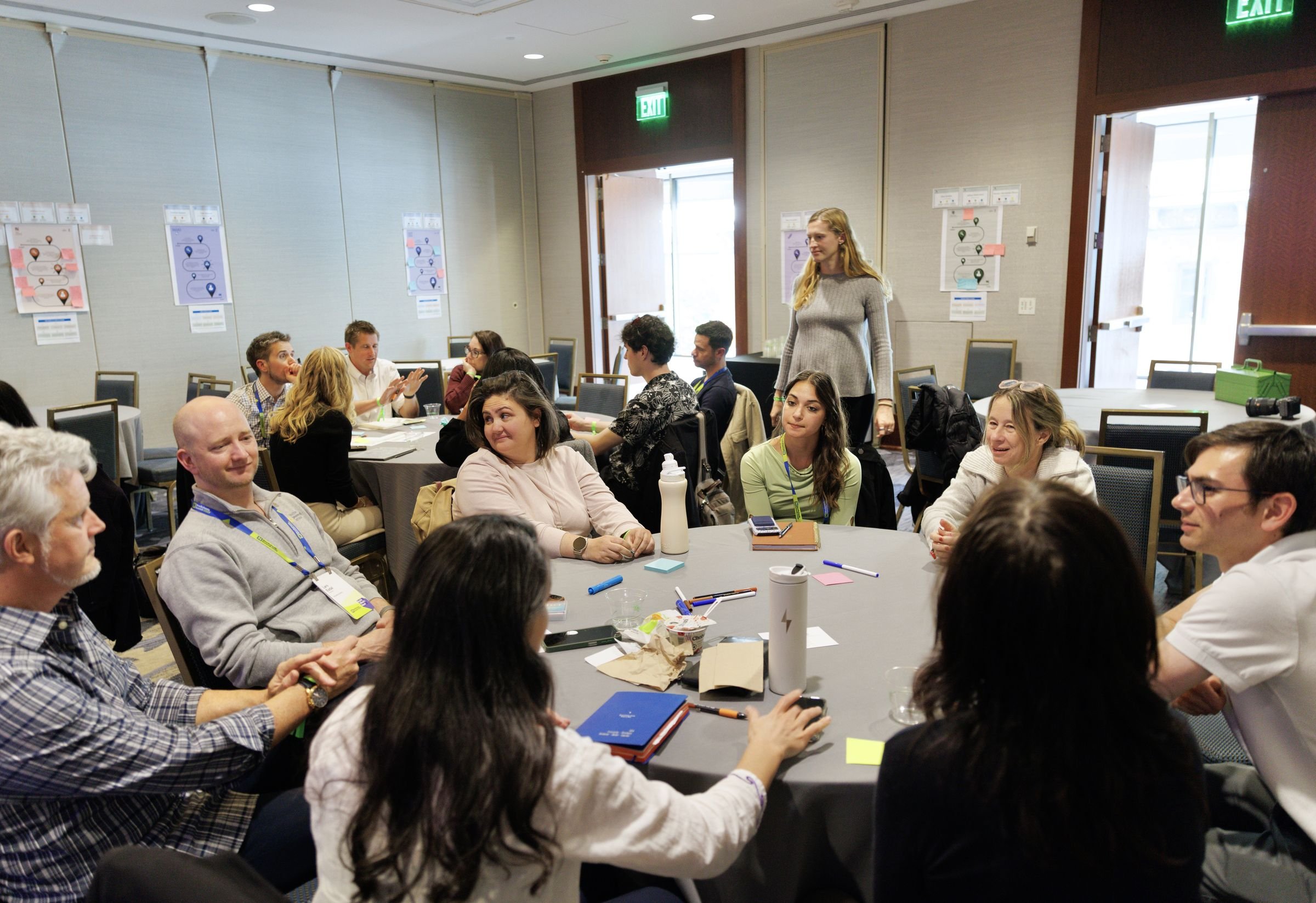
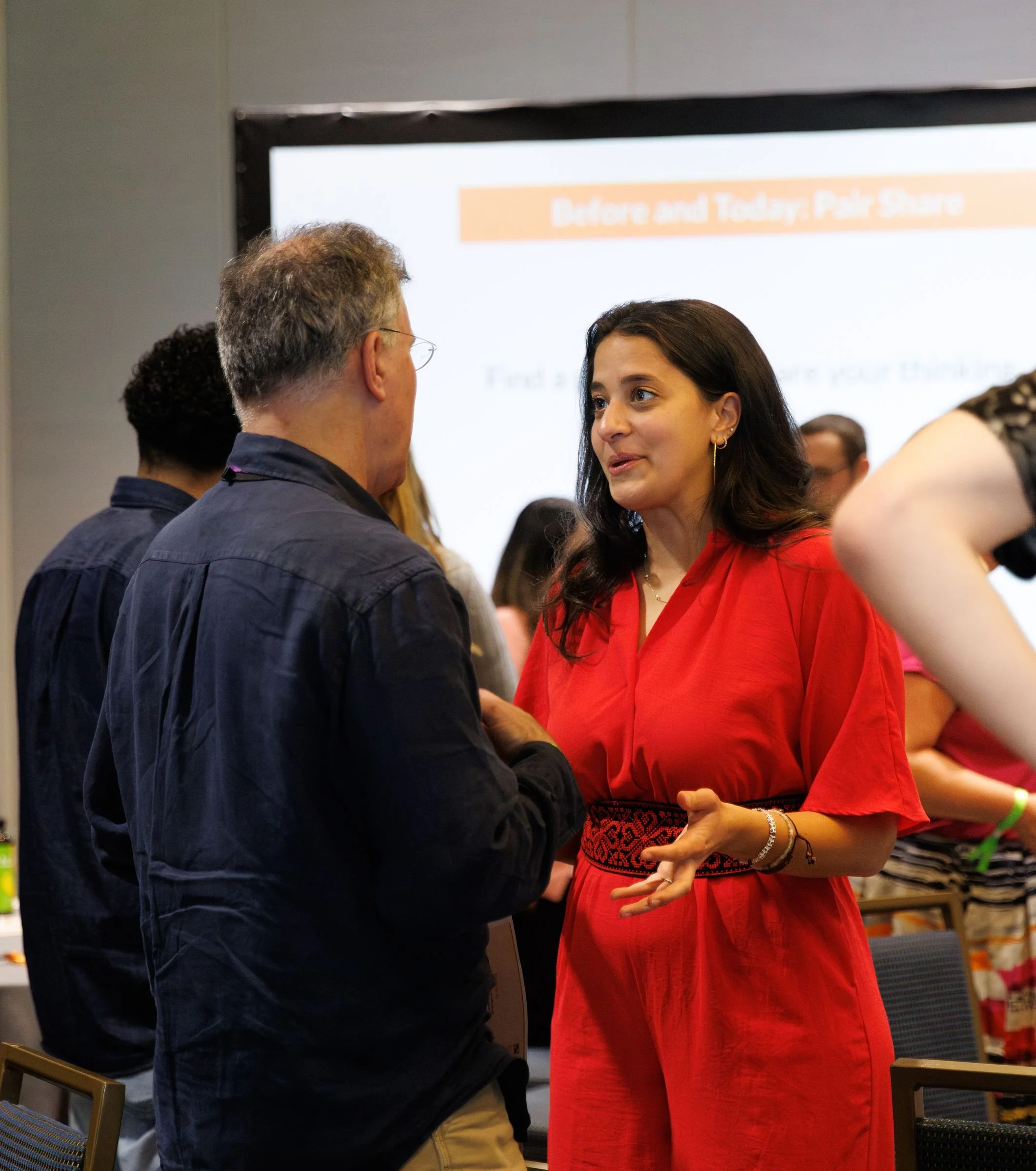
A ballroom with four table conversations happening at once is a nightmare for audio, so we didn't fight it. The table discussions became B-roll. Hands moving, people leaning in, sticky notes going up on the walls during the gallery walk. Great visuals, and no garbled sound to rescue in the edit.
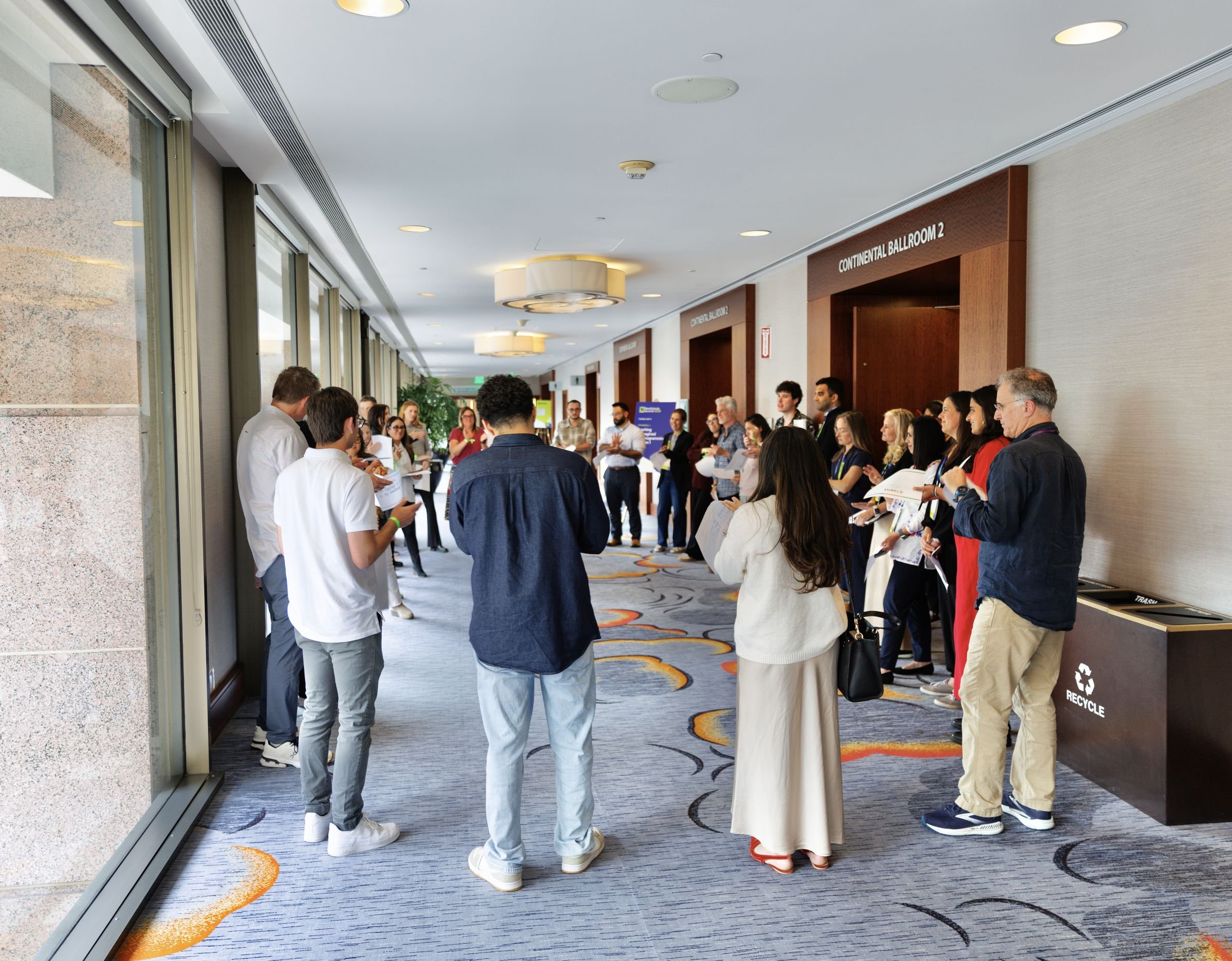
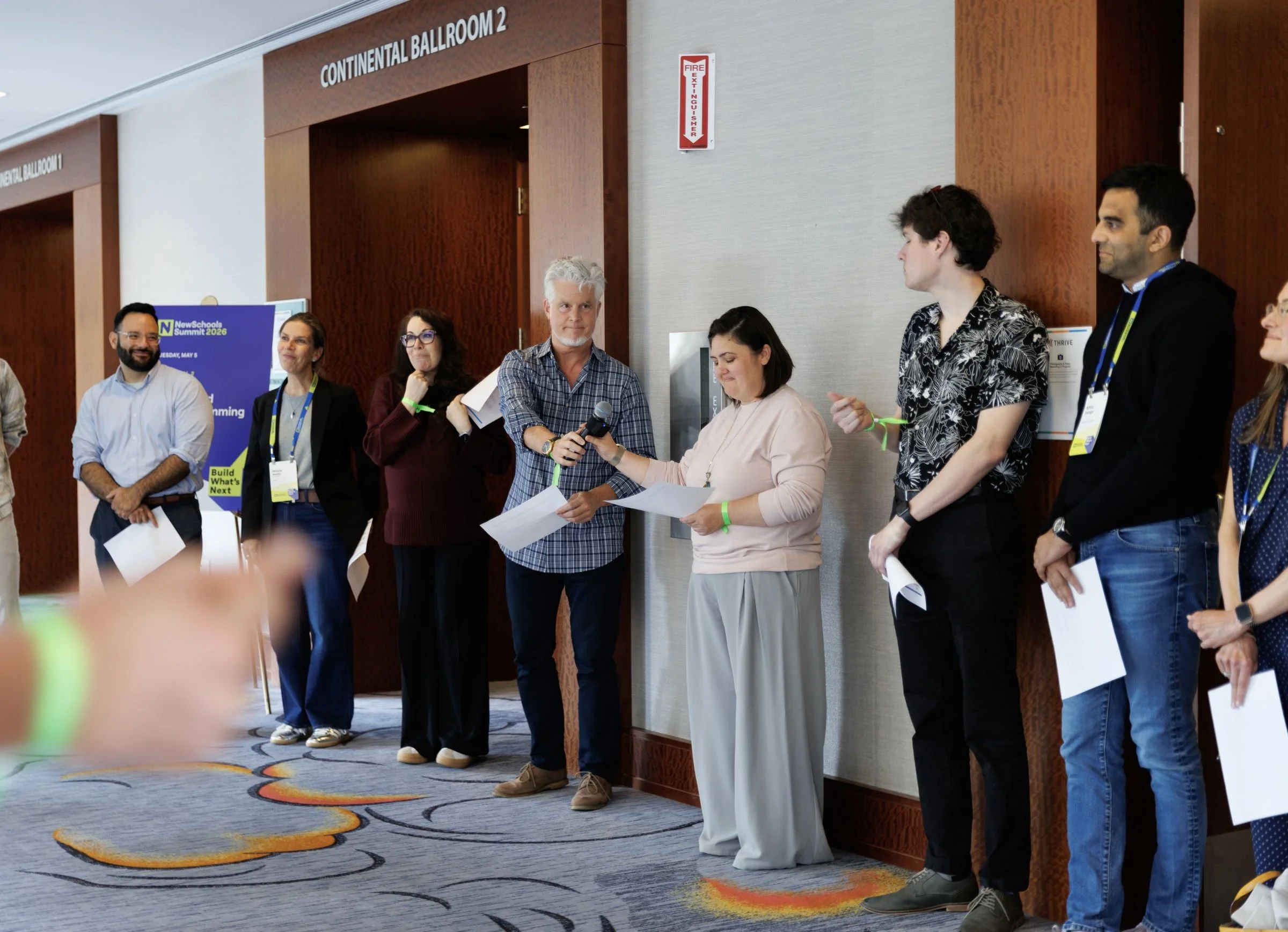
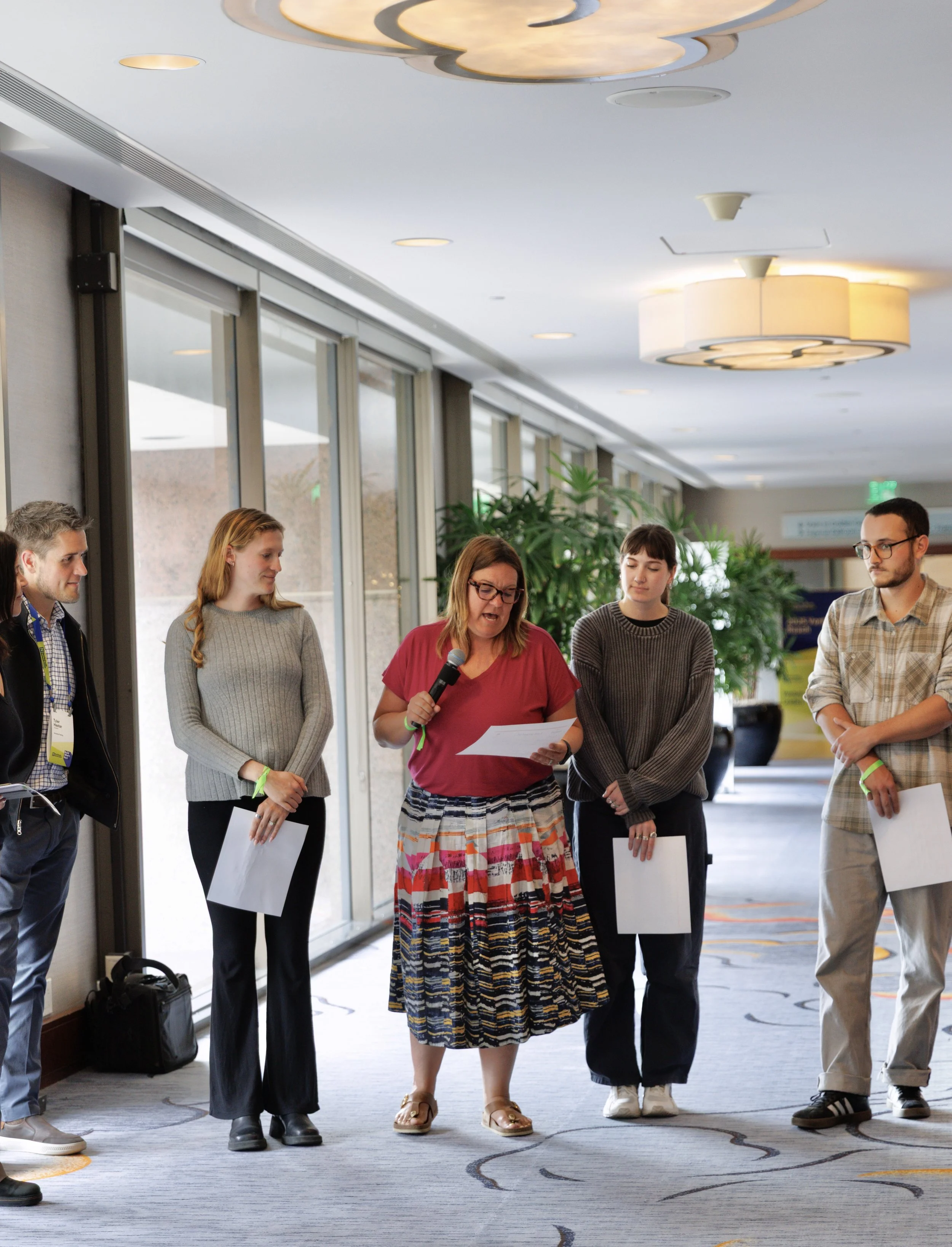
The audio we did care about was the closing circle. Out in the hallway outside the ballroom, every teacher finished the sentence "I am proud of..." out loud, passing the mic down the line one after another. That was the emotional center of the whole day, and the crew planned the afternoon around getting it clean.
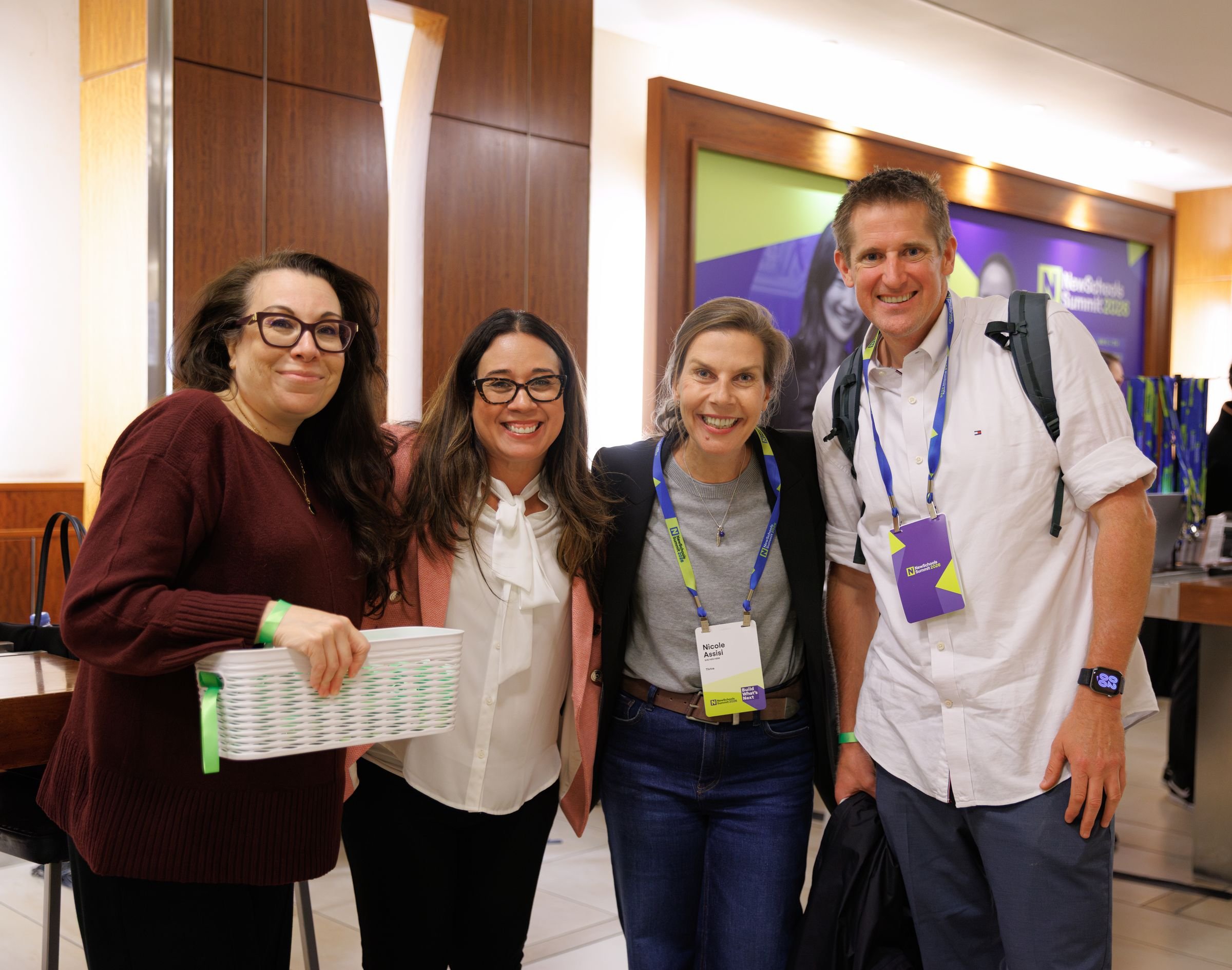
For interviews, Subei split the difference between a polished setup and staying mobile. One camera stayed on a tripod for a consistent look, while a second moved around the venue so the edit wouldn't turn into ten people talking in front of the same wall. Rachel started shooting the moment teams walked in, grabbing a group photo of each school team before the program even started.
My favorite detail from the day is one I only heard about afterward. The crew was listening, not just recording. When someone said something powerful at a table, they'd flag that person for a quick follow-up interview during the break. That's the difference between a camera operator and a storyteller, and it's not something you can write into a shot list.
What Thrive Walked Away With
The morning after the event, Courtney had a batch of sneak-peek photos in her inbox, so Thrive could post a thank-you while the day was still fresh. The full edited gallery and the first cut of the recap video followed the next week. On top of that, we delivered two short-form reels for social and the color-ready raw footage, so her team could keep clipping new content long after our part was done. If you want to see more of the event work we do, our portfolio is a good place to start.
The Edit: One Note That Made the Reels Better
Every draft went through Frame.io, where the client leaves time-stamped comments right on the video and one person consolidates the notes. Charles, our project manager, kept the rounds moving, and the recap video came back with a single round of notes before it was done.
The reels are where the planning paid off. On the kickoff call, we'd agreed that one reel would focus on teacher voice and the other on the partnership between Thrive and Teach For America. When the first cuts came back, both leaned toward teacher voice, and Courtney caught it. Because that plan lived on a recorded call, we could trace her note straight back to it instead of guessing what she meant. We went back into the interviews, pulled soundbites about how the two organizations work together, moved the partnership message to the opening and blended footage from both programs. Her reply to the new version: "That is perfect!!"
What Courtney Had to Say
Nonprofits don't get to waste money, and Courtney was upfront about that from day one. So her Google review after the project wrapped meant a lot to the whole team.
"I can easily say that we made a great choice in selecting Kasey Bruce Media." — Courtney Ochi, Senior Director, Thrive
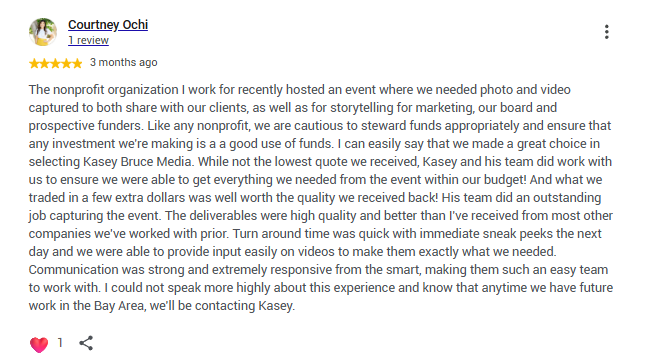
She was honest that we weren't the lowest quote she received, and just as honest that the difference was worth it for the quality they got back. She called out the things we build our whole process around: deliverables better than most companies she'd worked with before, sneak peeks the next day, an easy way to give input on the videos, and communication that was quick and clear. Then she closed by saying that anytime Thrive has future work in the Bay Area, they'll be calling us.
What This Project Reinforced
If there's one thing I'd tell any nonprofit planning event coverage, it's that the best footage gets decided before anyone picks up a camera. Know what the content is for, whether that's a donor report, a board meeting, a grant application or a month of social posts, because each one needs different shots. Name your interview list ahead of time and schedule it around energy, not convenience. Ten thoughtful interviews right after a reflection activity will beat thirty rushed ones after lunch every time.
It also reinforced something I believe about running a production company. If your content depends on one specific person being available, you don't have a system, you have a bottleneck. Thrive got a great result on a day I wasn't even in the room, and that's exactly how it should work.
If you want to see how we handle a bigger, multi-video nonprofit project, check out our YMCA event video case study, or see how we made a nonprofit brand story video that feels like a film. You can also learn more about our nonprofit video production work.
Frequently Asked Questions About Nonprofit Event Coverage
-
It depends on crew size, hours on site and what you need delivered. At Kasey Bruce Media, projects start at $5,000, and a photo and video package with interviews, a recap video and social reels usually lands above that.
-
With a two-camera setup and a planned list, around ten short interviews in an afternoon is realistic. The key is booking them into natural breaks instead of pulling people out of the program.
-
When you can, yes. One team works from one shot list and one run of show, so the photos and the video tell the same story and nobody ends up in anyone else’s shot.
-
Raw files aren’t included by default, but we offer them as an add-on. For Thrive, we shot in Rec. 709 and cleaned up the audio so their team could start clipping content right away.
-
For Thrive, sneak-peek photos arrived the next morning and the first cut of the recap video about a week later. The short-form reels followed once the recap was approved.
Planning an Event for Your Nonprofit?
If you've got an event coming up and want content that keeps working long after the chairs are stacked, I'd love to hear about it.
We'll start with what you need the footage to do, then build the shoot around it.